
Silicon Carbide (SiC) has become a cornerstone material in next-generation power electronics, widely used in electric vehicles, photovoltaic inverters, and high-voltage power systems. However, unlike mature silicon technology, the SiC industry chain is still highly complex, capital-intensive, and process-sensitive.
This article provides a structured overview of the SiC industry chain, key manufacturing stages, process challenges, and critical equipment systems, based on industrial engineering practices.
1. Overview of the SiC Industry Chain
The SiC device industry chain is similar to traditional silicon semiconductors and can be divided into five major segments:
1. Single Crystal Substrate (Substrate)
Includes:
- High-purity SiC powder synthesis
- Single crystal growth
- Wafer slicing, grinding, and polishing
👉 Function: Provides the foundational SiC wafer material
2. Epitaxial Layer (Epitaxy)
A high-quality SiC layer is grown on the substrate.
Key features:
- Thickness determines voltage rating
- ~1 μm ≈ 100 V breakdown capability
👉 Function: Defines device electrical performance ceiling
3. Device Fabrication
Typically follows an IDM (Integrated Device Manufacturer) model.
Main processes:
- Photolithography
- Ion implantation
- Etching
- Oxidation
- Metallization
- Annealing
👉 Function: Forms power devices such as SiC MOSFETs
4. Packaging (Encapsulation)
Focus areas:
- Heat dissipation
- Electrical interconnection
- Reliability enhancement
👉 Domestic packaging technology is relatively mature
5. Module & Application
Main applications:
- Electric vehicles
- Photovoltaic inverters
- Industrial power supplies
- High-voltage grid systems
2. Why SiC Process Technology Is So Challenging
SiC material exhibits three extreme physical properties:
- Extremely high hardness
- Ultra-high melting/sublimation temperature (>2000°C)
- Strong chemical stability
These properties make processing significantly more difficult than silicon.
1. Single Crystal Growth (PVT Method Dominant)
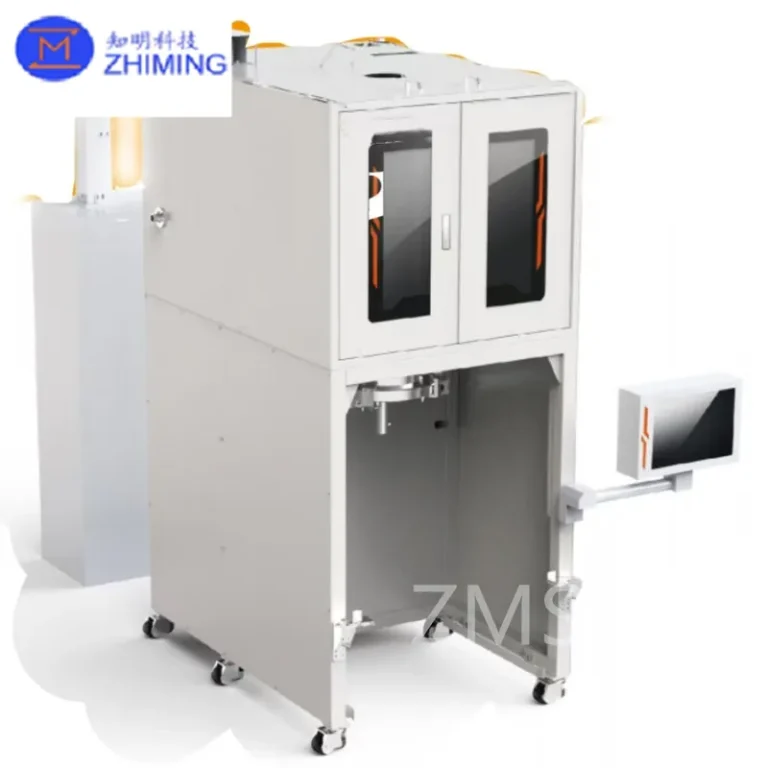
Main methods:
- Physical Vapor Transport (PVT)
- High-temperature CVD
- Solution growth (limited adoption)
Key characteristics:
- Temperature up to ~2500°C
- Ultra-low pressure environment
- Extremely slow growth rate
Core challenges:
- Thermal field stability control
- Crucible material durability
- Defect control (dislocations, micropipes)
👉 Result: Slow output and high production cost
2. Wafer Processing: Extremely Hard Material Handling
Wire sawing
- Diamond multi-wire saw is standard
Challenges:
- Low cutting efficiency
- Microcrack formation
- High tool wear
Grinding & Polishing
Challenges:
- Difficult material removal control
- Severe wafer warpage
- High risk of wafer fracture
👉 Key issue: Extremely low mechanical processing efficiency
3. Epitaxy: Narrow Process Window at High Temperature
Typical temperature:
- Up to 1700°C
Challenges:
- Extremely narrow process window
- Gas flow sensitivity
- Thickness uniformity control difficulty
4. Device Fabrication: High-Energy & High-Temperature Systems
Key equipment includes:
- High-temperature ion implantation systems
- High-temperature annealing furnaces
- High-temperature oxidation furnaces
- Dry etching systems
- Cleaning and metallization tools
3. Key Equipment in SiC Manufacturing (20+ Systems)
5
1. SiC Crystal Growth Furnace
Requirements:
- ≥2500°C operating capability
- Ultra-high vacuum sealing
- Precise thermal field control
👉 Essentially a high-temperature materials engineering system
2. Diamond Multi-Wire Saw
Functions:
- Wafer slicing from SiC ingots
Challenges:
- Wire tension control
- Vibration suppression
- Abrasive wear management
3. Wafer Edge Grinding (Chamfering)
Function:
- Stress relief at wafer edges
Challenges:
- Micron-level precision control
- Crack prevention
4. Grinding & Polishing Systems
Types:
- Coarse grinding (relatively mature domestically)
- Fine polishing (still dependent on imports)
Challenges:
- Subsurface damage control
- Wafer flatness stability
5. Epitaxial Reactors
Major global suppliers:
- Aixtron (Germany)
- LPE (Italy)
- Nuflare (Japan)
Challenges:
- High-temperature gas uniformity
- Thickness precision control
6. High-Temperature Ion Implanters
Significance:
👉 Core “threshold equipment” for SiC fabs
Challenges:
- High-temperature wafer stage
- Beam stability under extreme conditions
7. High-Temperature Annealing Furnace (Up to 2000°C)
Function:
- Dopant activation
- Lattice damage recovery
Challenges:
- Temperature uniformity (±5°C)
- Thermal stress control
8. High-Temperature Oxidation Furnace
Conditions:
- 1300–1400°C
- Complex gas chemistry (O₂ / DCE / NO)
Challenges:
- Corrosion resistance
- Ultra-clean chamber design
9. Cleaning Equipment
Key requirement:
- Nanometer-level particle control (down to ~45 nm class capability)
Challenges:
- Surface contamination control
- Multi-process compatibility
4. Fundamental Challenges of the SiC Industry Chain
1. Extreme Physical Conditions
- Ultra-high temperature processing (2000–2500°C)
- Vacuum and corrosive environments
2. High Material Hardness
- Extremely slow machining speed
- High tool wear and cost
3. Yield Control Difficulty
- Defect amplification across processes
- Cumulative damage effects
4. Equipment Localization Gap
- Some equipment already localized
- High-end epitaxy and precision tools still rely on imports
Conclusion
The difficulty of SiC manufacturing does not come from a single bottleneck, but from the fact that:
👉 Every step—from crystal growth to device fabrication—pushes both material physics and equipment engineering to their limits.
Future competitiveness in the SiC industry will depend on three key breakthroughs:
- More stable crystal growth technology
- Higher uniformity epitaxial processes
- Lower-cost and fully localized equipment ecosystems