
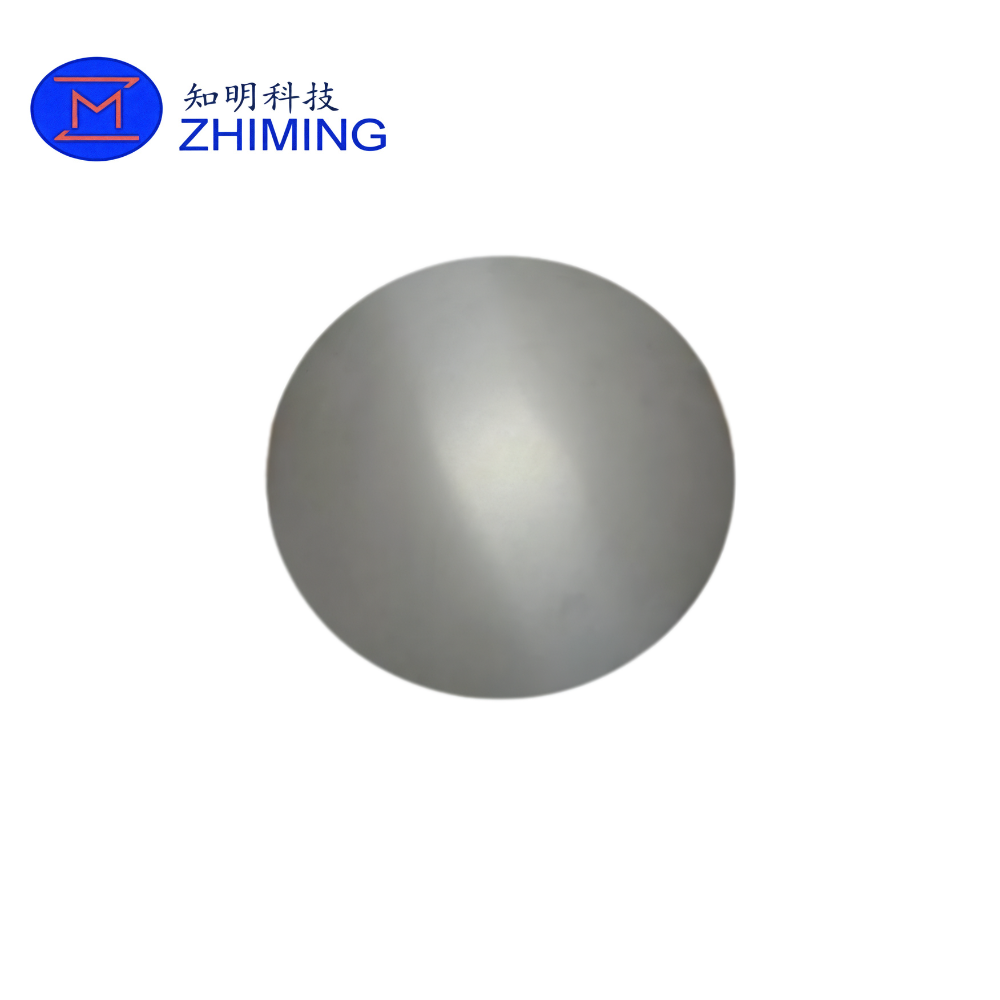
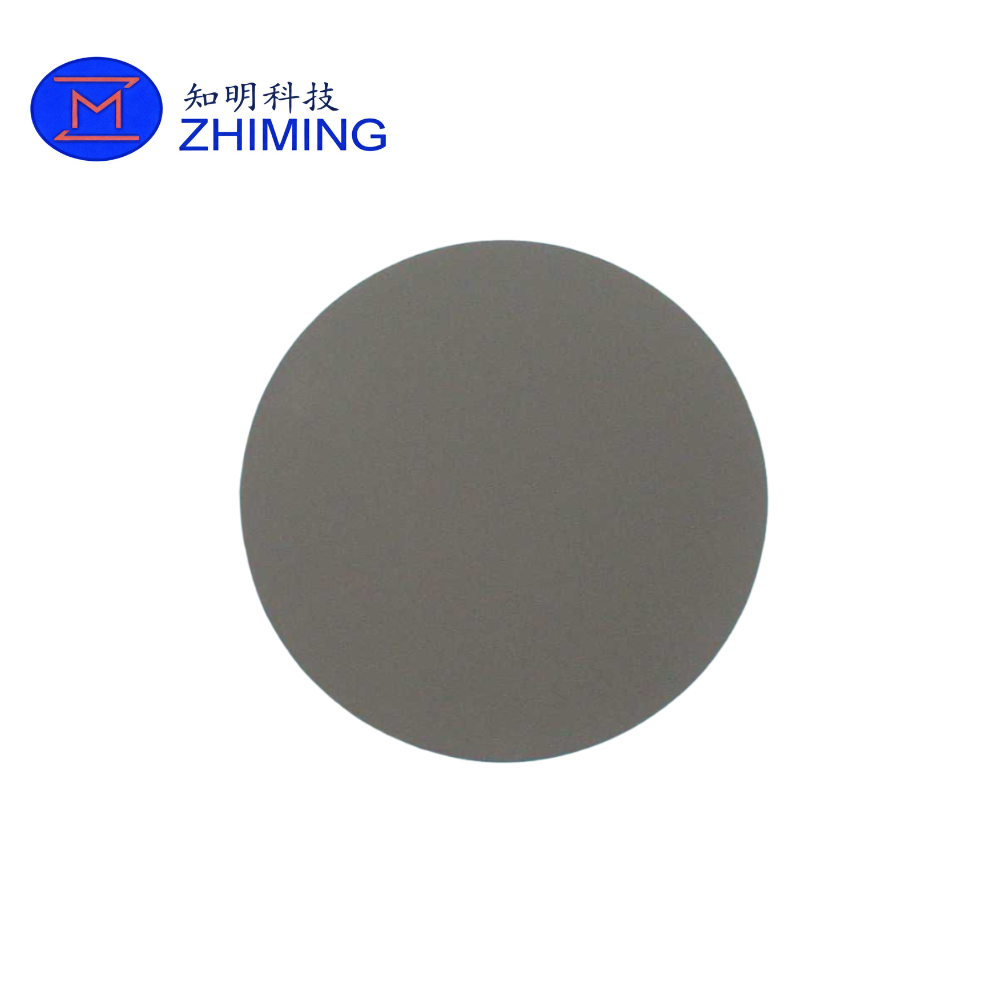
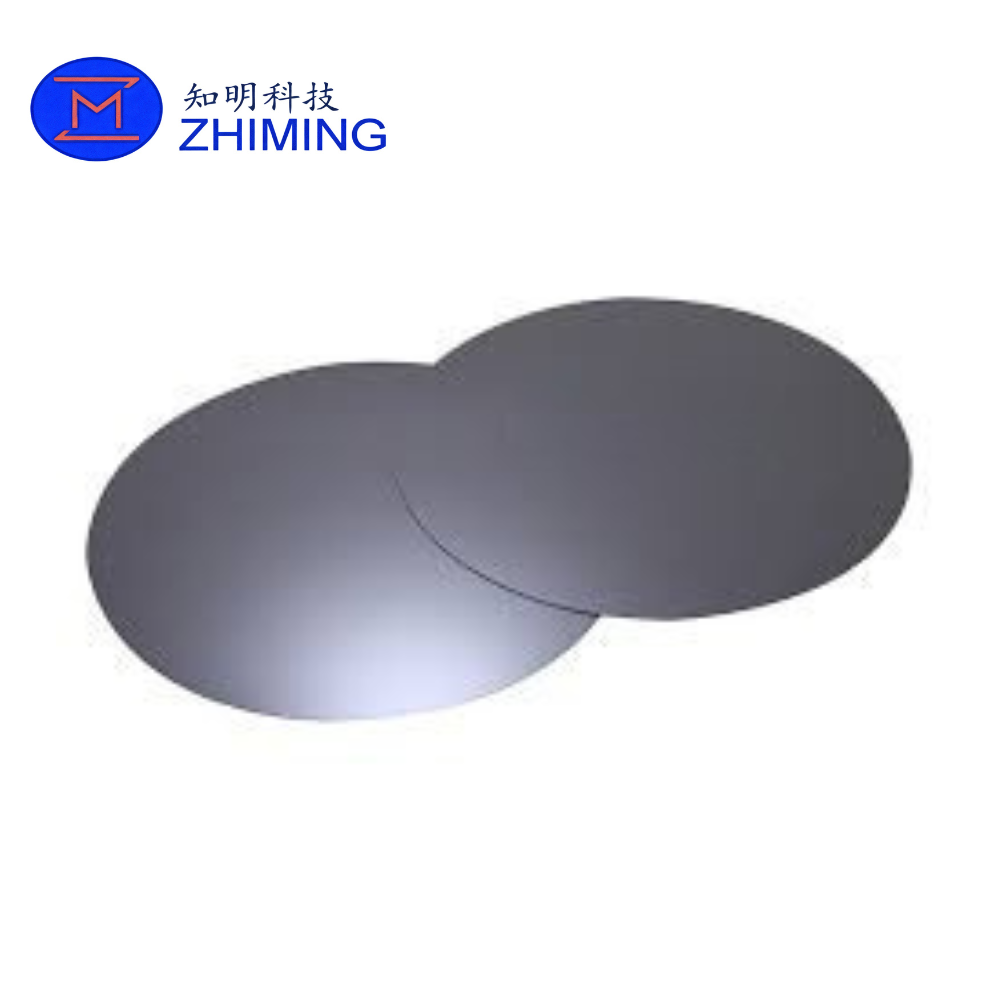
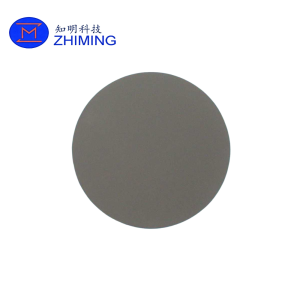
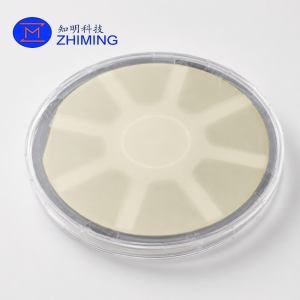
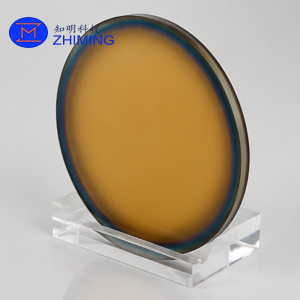
 The SiC Dummy Wafer (Silicon Carbide Test Wafer / Carrier Wafer) is a high-performance process wafer designed for semiconductor manufacturing equipment qualification, process development, chamber conditioning (warm-up), and production wafer protection. It does not serve as a device wafer but plays a critical role in stabilizing process environments, maintaining chamber loading conditions, and ensuring process repeatability in advanced semiconductor fabrication.
In modern semiconductor fabs, SiC dummy wafers are widely used during equipment start-up, recipe tuning, and maintenance cycles. They help stabilize chamber temperature, pressure, and gas flow distribution before actual production wafers are processed. In addition, they are used to fill wafer slots in batch systems to ensure uniform thermal and plasma conditions, effectively protecting high-value production wafers from contamination or process instability.
Compared with conventional silicon (Si) wafers, silicon carbide (SiC) dummy wafers offer significantly superior material properties, making them ideal for harsh processing environments involving high temperature, corrosive chemicals, and mechanical stress.
 Key Advantages of SiC vs Si
1. Excellent Chemical Resistance
SiC exhibits outstanding resistance to strong acids and alkalis. In most wet chemical environments, only specific wet etching processes can remove deposited films. This enables repeated reuse, significantly improving cost efficiency in fab operations.
2. Superior High-Temperature Stability
During high-temperature processing, SiC wafers maintain extremely low thermal deformation. This ensures excellent dimensional stability and reduces wafer warpage, making them highly suitable for thermal annealing and high-temperature deposition processes.
3. High Thermal Conductivity (Critical Advantage)
The thermal conductivity of SiC is more than three times higher than that of Si. This allows faster and more uniform heat distribution, effectively reducing thermal stress and improving process uniformity across the wafer surface.
Key Material Properties Comparison
| Property | Unit | SiC | Si |
|---|---|---|---|
| Density | g/cm³ | 3.21 | 2.33 |
| Band Gap | eV | 3.26 | 1.12 |
| Thermal Conductivity | W/cm·K | 2.9 | 1.5 |
| CTE (RT to 1000°C) | ×10⁻⁶/K | 4.1–5.0 | 2.6–5.5 |
| Mohs Hardness | — | 9.2 | 7.0 |
| Flexural Strength | MPa | 590 | 150–200 |
| Young’s Modulus | GPa | 450 | 200 |
Summary Notes:
- SiC performs significantly better in high-temperature environments than Si
- Thermal conductivity is over 3× higher than silicon, reducing thermal stress
- SiC offers superior wear resistance for repeated process cycles
- Si is more prone to elastic deformation under stress
- SiC is more suitable for high-power, high-temperature, and high-stress applications
Thermal Conductivity Comparison: SiC vs SiO₂
| Material | Thermal Conductivity W/(m·K) | Notes |
|---|---|---|
| Amorphous SiO₂ (Glass) | 1.0–1.5 | Low thermal conductivity, insulating behavior |
| Single-Crystal Quartz | 6–14 | Anisotropic thermal conduction |
| High-Temperature Quartz Phase | 2–3 | Slightly improved conductivity |
| SiC | Tens to hundreds | High thermal conductivity material |
Conclusion:
SiC is a high thermal conductivity material designed for efficient heat dissipation and high-temperature stability, while SiO₂ materials are primarily used for insulation and low thermal conductivity applications.
 Applications
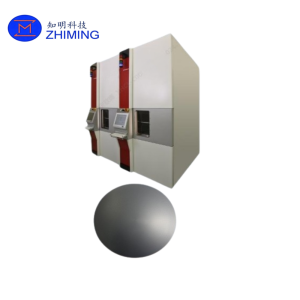
- Semiconductor equipment qualification and calibration
- Process development and recipe optimization
- Chamber warm-up (pre-conditioning wafers)
- Wafer slot filling for process stability
- Plasma etching, CVD, PVD, and ion implantation systems
- Thermal and gas flow uniformity testing
FAQ
Q1: Can SiC dummy wafers be reused?
A1: Yes. Due to their strong chemical resistance, SiC wafers can be reused multiple times after proper cleaning, making them cost-effective for semiconductor fabs.
Q2: What equipment is SiC dummy wafer compatible with?
A2: They are widely used in etching systems, CVD/PVD tools, annealing furnaces, ion implantation systems, and cleaning equipment.
Q3: Why is SiC better than Si for high-temperature processes?
A3: SiC has higher thermal conductivity, superior mechanical strength, and lower thermal deformation, allowing stable performance under high-temperature and high-stress conditions.
Request a Quote for SiC Dummy Wafer for Equipment Qualification, Process Debugging, Wafer Warm-Up, and Production Wafer Protection
Tell us your required specifications, dimensions, quantity, application and technical requirements. You can also provide drawings or additional project information. Our technical team will review your requirements and reply as soon as possible.
Reviews
There are no reviews yet.