
La scelta di un fornitore di apparecchiature per la lavorazione dei wafer rappresenta una decisione fondamentale per i produttori di semiconduttori, i laboratori di ricerca, le aziende di confezionamento e le imprese di lavorazione di materiali avanzati. Le apparecchiature utilizzate per il taglio, la molatura, la lucidatura, la pulizia, l’ispezione, l’incollaggio, l’assottigliamento e la movimentazione dei wafer incidono direttamente sulla stabilità del processo, sulla qualità del prodotto, sulla resa produttiva e sui costi operativi a lungo termine.
Una macchina può sembrare idonea sulla base delle sue specifiche di base, ma una lavorazione affidabile dei wafer richiede molto più di un semplice elenco di parametri tecnici. La precisione delle apparecchiature, la stabilità meccanica, la ripetibilità del processo, il controllo software, la compatibilità degli utensili, la gestione della contaminazione e l’assistenza post-vendita sono tutti fattori che influenzano la capacità del sistema di garantire prestazioni costanti nella produzione reale.
Per questo motivo, gli acquirenti dovrebbero valutare non solo la macchina in sé, ma anche le competenze ingegneristiche del fornitore, la sua esperienza nella produzione, il sistema di controllo qualità e la capacità di soddisfare le future esigenze produttive.
Questo articolo illustra i fattori chiave da tenere in considerazione quando si confrontano i fornitori di apparecchiature per la lavorazione dei wafer destinate alla produzione di semiconduttori di precisione.
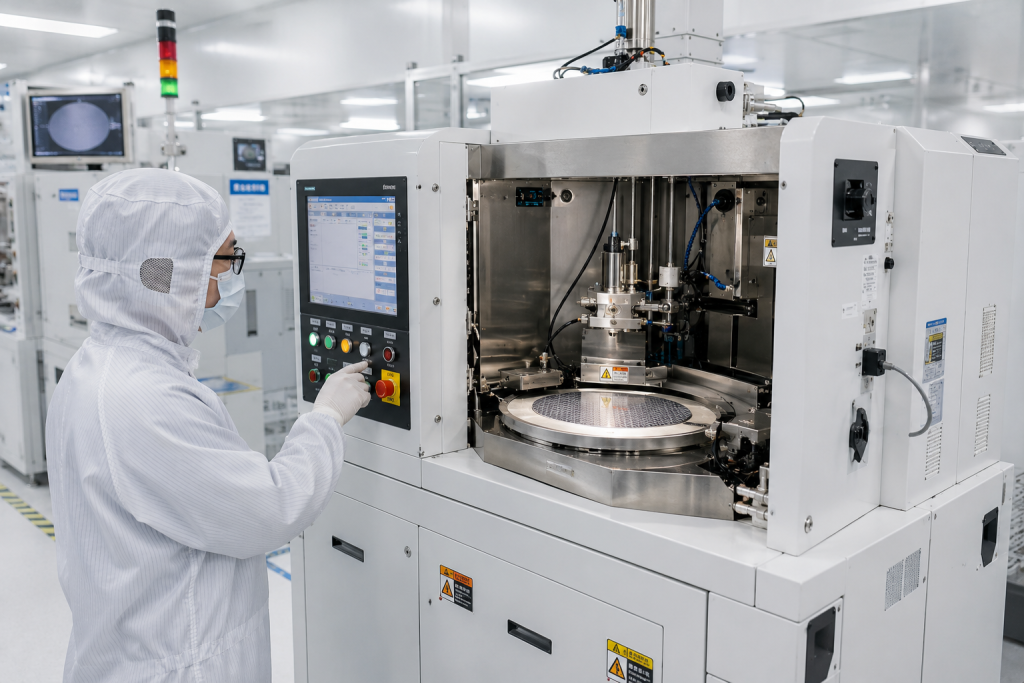
Perché è importante la scelta del fornitore di apparecchiature per la lavorazione dei wafer
I wafer semiconduttori sono sensibili alle forze meccaniche, alle vibrazioni, alle particelle, alle sollecitazioni termiche e ai danni causati dalla manipolazione. Piccole variazioni di processo possono causare difetti quali:
- Scheggiatura dei bordi
- Rottura del wafer
- Graffi superficiali
- Eccessiva variazione dello spessore totale
- Orlo e trama
- Contaminazione da particelle
- Asportazione non uniforme del materiale
- Profilo del bordo non ottimale
- Disallineamento
- Bassa resa di legame
- Rugosità superficiale non uniforme
Questi problemi non sono sempre causati dal materiale del wafer in sé. Possono anche derivare da una progettazione inadeguata delle apparecchiature, da un controllo instabile dei movimenti, da attrezzature inadeguate, da parametri di processo non idonei o da una formazione insufficiente degli operatori.
Un fornitore affidabile dovrebbe quindi offrire molto più che semplice hardware. Il fornitore dovrebbe conoscere bene i materiali dei wafer, i rischi legati ai processi e i requisiti di produzione.
Il fornitore di attrezzature giusto può aiutare un produttore a:
- Migliorare la resa del processo
- Ridurre la rottura dei wafer
- Mantenere la precisione dimensionale
- Qualità delle superfici di controllo
- Aumentare la produttività
- Ridurre la dipendenza dagli operatori
- Ridurre i tempi di sviluppo dei processi
- Migliorare il tempo di funzionamento delle attrezzature
- Costi di manutenzione inferiori
- Sostenere l'espansione futura della gamma di prodotti
Un fornitore inadeguato potrebbe fornire una macchina che, pur rispondendo alle specifiche iniziali, non sia in grado di garantire risultati stabili in condizioni di produzione a lungo termine.
1. Valutare l’esperienza del fornitore nel settore
Il primo passo consiste nel verificare se il fornitore abbia una reale esperienza nel settore dei semiconduttori o nella lavorazione di precisione dei wafer.
I produttori di apparecchiature industriali per uso generico possono anche disporre di solide competenze nella progettazione meccanica, ma la lavorazione dei wafer semiconduttori richiede conoscenze specialistiche.
Il fornitore dovrebbe avere una buona conoscenza di argomenti quali:
- Manipolazione di wafer fragili
- Supporto per substrati ultrasottili
- Controllo delle particelle
- Planarità e uniformità dello spessore
- Danni ai bordi
- Compatibilità con le camere bianche
- Resistenza chimica
- Progettazione di un mandrino a vuoto
- Orientamento del wafer
- Allineamento automatico
- Tracciabilità dei processi
- Diversi materiali semiconduttori
Chiedete al fornitore quali settori e applicazioni ha già supportato in passato.
L'esperienza pertinente può includere:
- Lavorazione dei wafer di silicio
- Lavorazione dei wafer in carburo di silicio
- Lavorazione dei wafer di zaffiro
- Lavorazione dei wafer di vetro
- Substrati in nitruro di gallio
- Wafer di arseniuro di gallio
- Wafer di fosfuro di indio
- Substrati ceramici
- Lavorazione dei MEMS
- Confezionamento avanzato dei semiconduttori
- Produzione di substrati ottici
Un fornitore che abbia lavorato esclusivamente con parti in metallo di grosso spessore o in vetro convenzionale potrebbe non comprendere i rischi associati ai wafer semiconduttori sottili, fragili o di alto valore.
Domande da porre
- Da quanti anni producete apparecchiature per la lavorazione dei wafer?
- Quali materiali per wafer avete lavorato?
- Quali dimensioni di wafer sono supportate dai vostri sistemi?
- Avete impianti presso stabilimenti di produzione di semiconduttori?
- Potresti fornirmi alcuni esempi di applicazione?
- Avete fornito attrezzature per la ricerca, la produzione pilota o la produzione in serie?
- È possibile analizzare i campioni forniti dai clienti prima dell'acquisto?
2. Verificare la capacità di processo dell'apparecchiatura
L'attrezzatura deve essere adeguata al processo di produzione previsto.
Le apparecchiature per la lavorazione dei wafer possono essere utilizzate per:
- Affettatura di wafer
- Taglio dei wafer
- Rettifica dei bordi
- Rettifica piana
- Lappatura
- Lucidatura
- Lucidatura chimico-meccanica
- Pulizia dei wafer
- Centrifuga
- Incollaggio di wafer
- Incollaggio temporaneo
- Distacco
- Foratura laser
- Prelievo di campioni da wafer
- Lavorazione con fori passanti
- Misurazione dello spessore
- Ispezione delle superfici
- Selezione dei wafer
- Movimentazione automatizzata
Un fornitore può descrivere la propria macchina come adatta alla lavorazione dei wafer, ma gli acquirenti dovrebbero verificare i limiti specifici del processo.
Ad esempio, una rettificatrice progettata per wafer di silicio di elevato spessore potrebbe non essere adatta a wafer di vetro ultrasottili. Una sega da taglio che offre buone prestazioni sul silicio potrebbe richiedere mandrini, lame, sistemi di raffreddamento e parametri di lavorazione diversi per il carburo di silicio o lo zaffiro.
Il fornitore deve definire:
- Tipi di processi supportati
- Diametro minimo e massimo del wafer
- Spessore minimo e massimo del wafer
- Forme di wafer supportate
- Carico massimo di elaborazione
- Velocità del mandrino disponibile
- Intervallo di velocità di avanzamento
- Compatibilità degli strumenti
- Precisione del processo
- Produttività
- Livello di automazione
L'attrezzatura dovrebbe essere valutata utilizzando, ove possibile, i materiali effettivi dell'acquirente.
3. Analisi di precisione, accuratezza e ripetibilità
Le apparecchiature di precisione non dovrebbero essere valutate solo in base alla loro precisione teorica massima.
È opportuno prendere in considerazione tre diversi concetti:
Precisione
La precisione indica quanto il risultato ottenuto dall'apparecchiatura si avvicini al valore target.
Ad esempio, se un wafer viene lavorato per raggiungere uno spessore target di 500 μm, la precisione indica quanto lo spessore finale si avvicini a tale valore target.
Ripetibilità
La ripetibilità indica se la macchina è in grado di produrre lo stesso risultato più volte nelle stesse condizioni.
Un sistema può produrre un wafer di ottima qualità durante una dimostrazione, ma continuare a dare risultati incostanti durante la produzione in serie.
Riproducibilità
La riproducibilità indica se è possibile ottenere risultati simili in:
- Diversi operatori
- Macchine diverse
- Lotti diversi
- Giorni di produzione diversi
- Strutture diverse
Nella produzione di semiconduttori, la ripetibilità è spesso più importante delle prestazioni massime ottenibili una tantum.
Parametri importanti da valutare
A seconda dell'attrezzatura, gli acquirenti potrebbero dover valutare:
- Precisione di posizionamento
- Ripetibilità del posizionamento
- Eccentricità del mandrino
- Linearità del palco
- Precisione di rotazione
- Allineamento degli utensili
- Planarità del mandrino
- Stabilità sotto vuoto
- Stabilità della temperatura
- Uniformità di asportazione del materiale
- Uniformità dello spessore
- Precisione del profilo del bordo
- Controllo della profondità di taglio
- Larghezza del taglio
- Rugosità superficiale
- Variazione dello spessore totale
- Arco
- Ordito
Il fornitore dovrebbe fornire rapporti di collaudo o dati di processo, anziché limitarsi ad affermare che l'apparecchiatura è “ad alta precisione”.”
4. Valutazione della progettazione meccanica e della stabilità strutturale
La stabilità meccanica è fondamentale per la lavorazione di precisione dei wafer.
Le vibrazioni delle apparecchiature, le deformazioni strutturali e la dilatazione termica possono influire su:
- Finitura superficiale
- Qualità del taglio a cubetti
- Scheggiatura dei bordi
- Controllo dello spessore
- Durata degli utensili
- Precisione di allineamento
- Ripetibilità del processo
Una piattaforma hardware stabile dovrebbe includere:
- Struttura rigida della macchina
- Progettazione del mandrino a basse vibrazioni
- Guide lineari di precisione
- Componenti affidabili per il controllo del movimento
- Adeguato isolamento dalle vibrazioni esterne
- Espansione termica controllata
- Dispositivi di fissaggio a vuoto affidabili
- Posizionamento preciso dell'utensile
Per le applicazioni che richiedono un'elevata precisione, gli acquirenti dovrebbero informarsi su:
- Materiale della base della macchina
- Isolamento dalle vibrazioni
- Cuscinetti del mandrino
- Scenografia
- Simulazione strutturale
- Compensazione termica
- Procedure di taratura
Una macchina pesante non è automaticamente una macchina stabile. L'intero sistema meccanico e di controllo deve essere progettato in modo da ridurre al minimo le variazioni di processo.
5. Verificare le dimensioni del wafer e la compatibilità dei materiali
Materiali diversi per i wafer richiedono strategie di processo diverse.
Silicio
Il silicio è un materiale ampiamente utilizzato e relativamente ben conosciuto. Tuttavia, i wafer di silicio sottili rimangono soggetti a crepe e rotture.
Carburo di silicio
Il SiC è notevolmente più duro del silicio e richiede prestazioni più elevate da parte degli utensili da taglio, delle mole, della potenza del mandrino e della gestione del refrigerante.
Zaffiro
Lo zaffiro è un materiale duro e fragile. Un taglio o una molatura non corretti possono causare scheggiature, crepe o un rallentamento della velocità di lavorazione.
Vetro
I wafer di vetro sono sensibili ai danni ai bordi e alle microfessurazioni. Anche la composizione del vetro può influire sulle operazioni di foratura, molatura e trattamento termico.
Arseniuro di gallio e fosfuro di indio
Questi materiali sono più fragili del silicio e potrebbero richiedere una forza meccanica minore, una manipolazione speciale e controlli di sicurezza più rigorosi.
Substrati ceramici
I wafer ceramici possono richiedere utensili da taglio, sistemi di raccolta delle polveri e metodi di supporto superficiale diversi.
Il fornitore dovrebbe comprendere in che modo il processo varia a seconda dei diversi materiali.
Tra i fattori di compatibilità più importanti figurano:
- Materiale degli utensili
- Scelta della lama o della mola
- Tipo di liquido di raffreddamento
- Velocità di taglio
- Velocità di avanzamento
- Progettazione del mandrino a vuoto
- Resistenza chimica
- Raccolta delle particelle
- Metodo di supporto dei wafer
- Procedura di pulizia
Gli acquirenti non dovrebbero dare per scontato che le apparecchiature sviluppate per un determinato materiale dei wafer siano automaticamente in grado di lavorare tutti gli altri.
6. Valutazione della movimentazione dei wafer e della progettazione dei mandrini
I danni ai wafer si verificano spesso durante le operazioni di carico, scarico, trasporto o serraggio, piuttosto che durante la fase principale di lavorazione.
I sistemi di movimentazione dei wafer dovrebbero ridurre al minimo:
- Carico puntuale
- Contatto con il bordo
- Graffi sul retro
- Slittamento
- Segni di vuoto
- Trasferimento di particelle
- Disallineamento del wafer
- Rottura durante il trasferimento
Requisiti per i mandrini a vuoto
Un mandrino ben progettato dovrebbe garantire:
- Supporto uniforme per wafer
- Distribuzione uniforme del vuoto
- Forza di tenuta sufficiente
- Bassa contaminazione superficiale
- Elevata planarità
- Compatibilità con wafer sottili
- Facile da pulire
- Generazione minima di particelle
I materiali possibili per il mandrino includono:
- Ceramica porosa
- Ceramica di allumina
- Ceramica al carburo di silicio
- Metallo con rivestimento protettivo
- Quarzo
- Materiali a base di polimeri
La scelta dipende dalla temperatura di processo, dall'esposizione alle sostanze chimiche, dai requisiti di planarità e dai limiti di contaminazione.
Nel caso di wafer sottili o fragili, il sistema potrebbe richiedere:
- Supporto su tutta l'area
- Legame temporaneo tra vettori
- Maneggevolezza grazie alla presa sui bordi
- Controllo del vuoto a basso stress
- Accelerazione e decelerazione controllate
Il fornitore dell'attrezzatura dovrebbe essere in grado di spiegare in che modo il proprio metodo di movimentazione protegge il wafer.
7. Verificare la compatibilità delle attrezzature e dei materiali di consumo
Le prestazioni delle apparecchiature per la lavorazione dei wafer dipendono in larga misura dai materiali di consumo.
Tra i materiali di consumo tipici figurano:
- Lame per tagliare a cubetti
- Mole
- Dischi di lucidatura
- Sospensioni
- Liquidi di raffreddamento
- Prodotti chimici per la pulizia
- Nastro di fissaggio
- Nastro a rilascio UV
- Pellicole di supporto
- Filtri
- Guarnizioni a vuoto
- Dispositivi di protezione
Gli acquirenti dovrebbero verificare se l'apparecchiatura richiede materiali di consumo proprietari.
I sistemi proprietari possono garantire prestazioni stabili, ma possono anche aumentare i costi operativi e la dipendenza dalla catena di approvvigionamento.
Chiedi al fornitore:
- È possibile utilizzare materiali di consumo di terze parti?
- Quali marche di materiali di consumo sono compatibili?
- I materiali di consumo sono disponibili in loco?
- Qual è la durata prevista?
- Con quale frequenza occorre sostituire gli utensili?
- L'usura degli utensili viene monitorata automaticamente?
- L'apparecchiatura richiede un'autorizzazione software specifica del fornitore?
Il fornitore dovrebbe inoltre contribuire all'ottimizzazione dei processi relativi ai diversi materiali di consumo.
8. Analisi delle funzioni di automazione e del software
L'automazione può migliorare l'uniformità, la produttività e la tracciabilità.
Tuttavia, un sistema altamente automatizzato non è necessariamente migliore. Il livello di automazione dovrebbe essere adeguato al volume di produzione, alle competenze degli operatori e alla complessità del processo.
Tra i software e le funzioni di automazione utili possono figurare:
- Caricamento automatico dei wafer
- Centraggio del wafer
- Riconoscimento dei modelli
- Allineamento automatico
- Archivio ricette
- Blocco dei parametri
- Tracciabilità tramite codice a barre
- Monitoraggio della durata degli utensili
- Cronologia degli allarmi
- Registrazione dei dati di processo
- Controllo statistico di processo
- Diagnostica remota
- Monitoraggio dello stato delle apparecchiature
- Integrazione tra impianto e sistema
Negli ambienti di produzione, potrebbe essere necessario che le apparecchiature comunichino con:
- Sistemi di esecuzione della produzione
- Sistemi di automazione delle attrezzature
- Sistemi host di fabbrica
- Piattaforme di raccolta dati
- Sistemi di gestione della qualità
Gli acquirenti dovrebbero verificare se il fornitore supporti interfacce di comunicazione standard o solo protocolli proprietari.
Domande sul software
- Quante ricette di processo è possibile memorizzare?
- È possibile gestire i permessi degli utenti?
- Le modifiche ai processi vengono registrate?
- È possibile esportare i dati di produzione?
- È disponibile l'assistenza da remoto?
- È possibile personalizzare il software?
- Gli aggiornamenti sono inclusi?
- Come viene gestita la sicurezza informatica?
- Il sistema è in grado di integrarsi con il software di fabbrica già in uso?
L'usabilità del software dovrebbe essere valutata durante la dimostrazione dell'apparecchiatura.
9. Valutazione della contaminazione e della compatibilità con le camere bianche
Le apparecchiature per la lavorazione dei wafer semiconduttori devono essere progettate in modo da ridurre al minimo la contaminazione.
Tra le potenziali fonti di contaminazione figurano:
- Lubrificanti
- Usura degli utensili
- Particelle metalliche
- Particelle polimeriche
- Residui di macinazione
- Residui chimici
- Trattamento da parte dell'uomo
- Flusso d'aria
- Riflusso nel sistema di aspirazione
Il fornitore dovrebbe spiegare in che modo viene controllata la contaminazione.
Tra le caratteristiche progettuali più importanti possono figurare:
- Materiali compatibili con le camere bianche
- Area di lavorazione chiusa
- Flusso d'aria filtrato con filtro HEPA
- Superfici resistenti agli agenti chimici
- Design della camera che ne facilita la pulizia
- Raccolta delle particelle
- Zone elettriche e di processo separate
- Scarico controllato
- Sistemi di aspirazione puliti
- Cavi e guarnizioni che non perdono materiale
Per quanto riguarda le attrezzature per la pulizia, gli acquirenti dovrebbero inoltre valutare:
- Qualità dell'acqua di risciacquo
- Erogazione di sostanze chimiche
- Controllo della contaminazione incrociata
- Prestazioni di asciugatura
- Progettazione degli scarichi
- Sicurezza chimica
- Pulizia della camera di processo
Il livello di pulizia richiesto dipende dal fatto che l'apparecchiatura sia utilizzata per la ricerca, la produzione di substrati, la lavorazione front-end o il confezionamento avanzato.
10. Verifica del monitoraggio dei processi e del controllo qualità
Le moderne apparecchiature di precisione dovrebbero essere dotate di funzioni di monitoraggio del processo.
A seconda del processo, il monitoraggio può comprendere:
- Carico sul mandrino
- Corrente del motore
- Pressione di vuoto
- Temperatura del mandrino
- Flusso del liquido di raffreddamento
- Usura degli utensili
- Forza di taglio
- Forza di macinazione
- Tempo di elaborazione
- Spessore del wafer
- Posizione sul palco
- Vibrazione
- Concentrazione chimica
- Conteggio delle particelle
Il monitoraggio aiuta a individuare le variazioni di processo prima che causino un numero elevato di wafer difettosi.
Il fornitore dovrebbe inoltre disporre di un proprio sistema di controllo della qualità per la produzione delle attrezzature.
Chiedi informazioni su:
- Controllo dei componenti in entrata
- Controllo dell'assemblaggio meccanico
- Prove elettriche
- Taratura
- Verifica del processo
- Prove di accettazione in fabbrica
- Ispezione finale
- Tracciabilità delle attrezzature
- Controllo delle non conformità
L'attrezzatura deve essere fornita corredata della relativa documentazione, compresi i documenti di taratura e di ispezione.
11. Richiesta di elaborazione di campioni e test dimostrativi
Un test pratico è uno dei modi più efficaci per valutare un fornitore.
L'acquirente deve fornire wafer rappresentativi che rispecchino l'applicazione prevista.
I campioni devono includere effettivamente:
- Materiale del wafer
- Diametro del wafer
- Spessore del wafer
- Condizioni della superficie
- Condizione al bordo
- Struttura del modello
- Obiettivo di processo richiesto
La dimostrazione non dovrebbe avvalersi esclusivamente di wafer di prova ideali selezionati dal fornitore.
Dati da raccogliere durante il test
A seconda dell'attrezzatura, valutare:
- Tempo di elaborazione
- Rottura del wafer
- Scheggiatura dei bordi
- Qualità del taglio
- Uniformità dello spessore
- Rugosità superficiale
- Orlo e trama
- Livello delle particelle
- Usura degli utensili
- Intervento dell'operatore
- Ripetibilità del processo
È preferibile testare più wafer piuttosto che un solo campione.
Una dimostrazione su un singolo wafer potrebbe non rivelare:
- Deriva di processo
- Usura degli utensili
- Riscaldamento
- Instabilità dei materiali di consumo
- Errori di caricamento
- Problemi di ripetibilità
Per gli investimenti di importanza cruciale, gli acquirenti possono effettuare una prova in condizioni di produzione utilizzando diversi lotti consecutivi.
12. Valutare la capacità di personalizzazione delle attrezzature
La dotazione standard potrebbe non soddisfare tutti i requisiti di processo.
Potrebbe essere necessaria una personalizzazione per:
- Diametri dei wafer non standard
- Substrati rettangolari
- Wafer speciali per trasportatori
- Wafer ultrasottili
- Materiali insoliti per wafer
- Geometria personalizzata dell'intaglio
- Processi chimici speciali
- Ambienti a bassa concentrazione di particelle
- Interfacce speciali per l'automazione
- Lavorazione ad alta temperatura
- Ispezione integrata
Un buon fornitore dovrebbe essere in grado di distinguere tra una personalizzazione funzionale e una riprogettazione superflua.
Chiedi al fornitore di spiegarti:
- Quali componenti possono essere personalizzati?
- Quanto tempo in più occorre per lo sviluppo?
- È disponibile un software personalizzato?
- I componenti personalizzati continueranno a essere riparabili?
- È possibile garantire la fornitura dei pezzi di ricambio a lungo termine?
- Il sistema personalizzato verrà sottoposto a test completi prima della spedizione?
Le personalizzazioni devono essere documentate in modo chiaro nell'accordo tecnico.
13. Confronta la capacità produttiva e i tempi di consegna
I tempi di consegna delle attrezzature possono influire sull'espansione dello stabilimento, sullo sviluppo di nuovi prodotti e sugli impegni assunti nei confronti dei clienti.
Gli acquirenti dovrebbero verificare:
- Tempi di produzione standard
- Tempi di consegna per la personalizzazione
- Programma dei test in fabbrica
- Tempi di consegna
- Tempo di installazione
- Tempo di qualificazione
- Tempi di consegna dei ricambi
Tempi di consegna molto brevi potrebbero indicare che l'attrezzatura è standard e già disponibile. Potrebbero anche indicare che il tempo a disposizione per i test è insufficiente.
Tempi di consegna molto lunghi possono comportare rischi per il progetto.
Il fornitore dovrà presentare un programma di progetto realistico che preveda tappe fondamentali quali:
- Conferma tecnica
- Approvazione del progetto
- Approvvigionamento dei componenti
- Assemblaggio meccanico
- Integrazione elettrica
- Test del software
- Test di processo
- Collaudo in fabbrica
- Imballaggio e spedizione
- Installazione
- Accettazione del sito
14. Verifica delle certificazioni e della conformità alle norme di sicurezza
Le attrezzature devono essere conformi ai requisiti di sicurezza e alle normative del mercato di destinazione.
A seconda del Paese e dell'applicazione, gli acquirenti potrebbero dover prendere in considerazione:
- Sicurezza elettrica
- Sicurezza meccanica
- Sicurezza chimica
- Sicurezza laser
- Sistemi a pressione
- Requisiti relativi allo scarico
- Arresto di emergenza
- Sistemi di interblocco
- Compatibilità elettromagnetica
- Requisiti relativi alle camere bianche
Le certificazioni e le norme applicabili possono riguardare:
- Conformità alla direttiva CE
- Linee guida SEMI sulla sicurezza
- Sistemi di qualità ISO
- Norme relative ai sistemi di controllo elettrico
- Norme di sicurezza relative ai laser
- Normative locali relative agli stabilimenti
Il fornitore deve fornire la documentazione completa relativa alla sicurezza.
Tra questi possono figurare:
- Valutazione dei rischi
- Schemi elettrici
- Descrizione del circuito di sicurezza
- Informazioni sulla compatibilità chimica
- Classificazione laser
- Procedure di emergenza
- Istruzioni per la manutenzione
La conformità alle norme di sicurezza non dovrebbe essere considerata una questione da affrontare solo in fase finale.
15. Verifica dell'installazione, della formazione e del supporto ai processi
Le prestazioni delle apparecchiature dipendono dalla corretta installazione e dal corretto funzionamento.
Il fornitore deve fornire:
- Assistenza all'installazione
- Livellamento delle macchine
- Linee guida per l'allacciamento alle reti di servizio
- Taratura
- Configurazione del processo
- Formazione degli operatori
- Formazione sulla manutenzione
- Documentazione
- Supporto iniziale alla produzione
La formazione dovrebbe andare oltre il semplice funzionamento di base delle macchine.
Un programma di formazione completo può includere:
- Creazione di ricette
- Sostituzione degli utensili
- Selezione dei materiali di consumo
- Gestione degli allarmi
- Manutenzione preventiva
- Taratura
- Pulizia
- Sicurezza
- Gestione dei dati
- Risoluzione dei problemi di base
Per i processi complessi relativi ai wafer, il supporto tecnico applicativo riveste un’importanza particolare.
Il fornitore dovrebbe essere in grado di contribuire a ottimizzare:
- Scelta degli utensili
- Velocità di avanzamento
- Velocità del mandrino
- Livello di vuoto
- Flusso del liquido di raffreddamento
- Pressione di macinazione
- Tempo di lucidatura
- Sequenza di pulizia
- Gestione dei parametri
16. Valutare la capacità di assistenza post-vendita
L'assistenza post-vendita è un aspetto fondamentale nella valutazione delle attrezzature.
Anche le macchine di alta qualità necessitano di manutenzione, pezzi di ricambio e assistenza tecnica.
Tra le domande importanti figurano:
- Dove si trovano i tecnici dell'assistenza?
- Qual è il tempo di risposta normale?
- È disponibile la diagnosi a distanza?
- Sono disponibili contratti di assistenza?
- È previsto un servizio di assistenza nel fine settimana o in caso di emergenza?
- Quali pezzi di ricambio sono disponibili a magazzino?
- Per quanto tempo saranno disponibili i pezzi di ricambio?
- È possibile formare i tecnici locali?
- Gli aggiornamenti software sono inclusi?
- Cosa copre la garanzia?
L'acquirente dovrebbe verificare se il fornitore si affida a:
- Ingegneri direttamente dalla fabbrica
- Centri di assistenza locali
- Distributori
- Tecnici di altre aziende
Un prezzo di acquisto contenuto può rivelarsi costoso se ogni intervento di manutenzione richiede un viaggio all’estero.
17. Calcolare il costo totale di proprietà
Il prezzo delle attrezzature rappresenta solo una parte del costo totale.
Gli acquirenti dovrebbero calcolare:
- Prezzo di acquisto
- Spedizione
- Installazione
- Modifiche di fabbrica
- Servizi pubblici
- Attrezzature
- Materiali di consumo
- Manutenzione
- Ricambi
- Licenze software
- Formazione
- Tempo di inattività
- Lavoro
- Perdita di resa
- Consumo energetico
Una macchina più economica potrebbe avere:
- Durata dell'utensile più breve
- Costo più elevato dei materiali di consumo
- Prossimità inferiore
- Maggiore intervento da parte dell'operatore
- Tasso di rottura più elevato
- Tempi di fermo per manutenzione più lunghi
Una macchina più costosa può garantire un costo totale inferiore grazie a una resa, una stabilità e un livello di automazione migliori.
Esempio di confronto dei costi
| Fattore di costo | Fornitore A | Fornitore B |
|---|---|---|
| Prezzo di acquisto delle attrezzature | In basso | Più alto |
| Costo di installazione | Moderato | Incluso |
| Costo dei materiali di consumo | Alto | Moderato |
| Durata degli utensili | Breve | Lungo |
| Produttività | Moderato | Alto |
| Risposta del servizio | Lento | Veloce |
| Resa del processo | Sconosciuto | Verificato |
| Disponibilità dei ricambi | Limitato | Scorte locali |
Il confronto tra i fornitori dovrebbe quindi tenere conto sia dei costi iniziali che di quelli a lungo termine.
18. Esame dei riferimenti e degli impianti esistenti
Le testimonianze dei clienti forniscono informazioni utili sulle prestazioni effettive delle apparecchiature.
Chiedi referenze a clienti con esigenze simili:
- Materiali per wafer
- Dimensioni dei wafer
- Volumi di produzione
- Requisiti di processo
- Località geografiche
Tra le domande utili da porre ai clienti di riferimento figurano:
- La macchina è stata consegnata in tempo?
- Rispondeva alle specifiche richieste?
- L'installazione è stata completata con successo?
- Quanto è stabile il processo?
- Con quale frequenza si ferma l'impianto?
- Quanto è reattivo il fornitore?
- È facile procurarsi i pezzi di ricambio?
- Il fornitore ha contribuito al miglioramento dei processi?
- Il cliente acquisterebbe di nuovo?
È possibile che i fornitori non possano rivelare i nomi di tutti i clienti a causa di accordi di riservatezza. Tuttavia, dovrebbero essere in grado di fornire informazioni generali sull'installazione o referenze approvate.
19. Redigere un accordo tecnico dettagliato
Prima di effettuare un ordine, tutti i requisiti importanti devono essere riportati in un accordo tecnico scritto.
L'accordo dovrebbe definire:
- Modello dell'apparecchiatura
- Richiesta di processo
- Materiale del wafer
- Dimensioni del wafer
- Spessore del wafer
- Precisione richiesta
- Ripetibilità richiesta
- Produttività
- Livello di automazione
- Funzioni del software
- Servizi pubblici
- Requisiti di sicurezza
- Accessori
- Materiali di consumo
- Criteri di accettazione
- Formazione
- Installazione
- Garanzia
- Calendario delle consegne
Espressioni quali “elevata precisione”, “basso livello di particelle” o “buona qualità superficiale” dovrebbero essere evitate, a meno che non siano supportate da criteri misurabili.
Lista di controllo suggerita per la valutazione dei fornitori
| Area di valutazione | Domande chiave |
| Esperienza nel settore | Il fornitore ha già lavorato con wafer semiconduttori e materiali simili? |
| Capacità di processo | L'attrezzatura è in grado di eseguire esattamente il processo richiesto? |
| Compatibilità con i wafer | È compatibile con il materiale, le dimensioni e lo spessore richiesti? |
| Precisione | La macchina è in grado di soddisfare le dimensioni previste e i requisiti relativi alla superficie? |
| Ripetibilità | È in grado di garantire risultati costanti su più wafer e lotti? |
| Stabilità meccanica | Il sistema è progettato per controllare le vibrazioni e la deriva termica? |
| Movimentazione dei wafer | Come vengono protetti i wafer fragili e sottili? |
| Attrezzature | È possibile reperire facilmente strumenti e materiali di consumo compatibili? |
| Automazione | Il software supporta la gestione delle ricette e la tracciabilità? |
| Controllo della contaminazione | Il sistema è idoneo al livello di camera bianca richiesto? |
| Controllo qualità | Il fornitore fornisce i verbali delle prove e delle tarature? |
| Personalizzazione | Il sistema può essere adattato a esigenze particolari? |
| Test su campioni | Il fornitore è in grado di lavorare i wafer dei clienti reali? |
| Servizio | L'assistenza tecnica è disponibile in loco o da remoto? |
| Ricambi | I componenti critici sono disponibili a magazzino e garantiti a lungo termine? |
| Formazione | La formazione relativa al funzionamento, ai processi e alla manutenzione è inclusa? |
| Sicurezza | La macchina è conforme alle norme richieste? |
| Costo totale | Qual è il costo operativo previsto a lungo termine? |
| Bibliografia | Il fornitore è in grado di fornire referenze significative relative ai propri clienti? |
| Criteri di accettazione | Tutti i requisiti prestazionali sono misurabili e documentati? |
Segnali di allarme nella valutazione di un fornitore di apparecchiature per wafer
Gli acquirenti dovrebbero prestare attenzione quando un fornitore:
- Si rifiuta di elaborare i campioni dei clienti
- Fornisce solo specifiche teoriche
- Non è possibile spiegare i limiti del processo
- Evita di affrontare il tema della ripetibilità
- Non prevede criteri di accettazione scritti
- Non presenta riferimenti rilevanti relativi alla lavorazione dei wafer
- Non è possibile fornire i registri di calibrazione
- Dipende interamente dai materiali di consumo proprietari
- Offre un supporto limitato per i pezzi di ricambio
- Prevede condizioni di garanzia poco chiare
- Non è possibile spiegare il controllo della contaminazione
- Garantisce risultati perfetti su ogni tipo di materiale
- Offre un prezzo insolitamente basso senza alcuna giustificazione tecnica
- Non è possibile fornire la documentazione completa
- Non pone domande dettagliate riguardo alla richiesta dell’acquirente
Un fornitore serio di attrezzature dovrebbe porre numerose domande tecniche prima di consigliare una macchina.
Domande che gli acquirenti dovrebbero porre ai potenziali fornitori
Un questionario pratico per i fornitori potrebbe includere:
- Quali materiali per wafer possono essere lavorati con le vostre apparecchiature?
- Quali sono i diametri dei wafer supportati?
- Qual è lo spessore minimo del wafer?
- Quale precisione di posizionamento è possibile garantire?
- Quale ripetibilità è possibile garantire?
- Qual è la produttività prevista?
- Quali materiali di consumo sono necessari?
- È possibile utilizzare strumenti di terze parti?
- Quali sistemi di ispezione sono integrati?
- Come viene eseguito l'allineamento dei wafer?
- Come si previene la rottura dei wafer?
- Come viene controllata la contaminazione?
- È possibile registrare ed esportare i dati di produzione?
- Il software può integrarsi con un sistema di produzione?
- Potete lavorare i nostri wafer campione?
- Quali sono i criteri di collaudo in fabbrica?
- Quali programmi di installazione sono necessari?
- Quali corsi di formazione per gli operatori sono inclusi?
- Qual è la durata della garanzia?
- Quali pezzi di ricambio è necessario acquistare insieme all'attrezzatura?
- Qual è il tempo di risposta standard del servizio?
- Per quanto tempo saranno disponibili i pezzi di ricambio?
- È possibile personalizzare l'attrezzatura?
- Quali certificazioni di sicurezza sono disponibili?
- Potete fornirci alcune referenze di clienti simili?
Processo di valutazione raccomandato
Un processo di valutazione strutturato riduce il rischio legato agli acquisti.
Fase 1: Definizione dell'applicazione
Chiarire:
- Materiale del wafer
- Dimensioni del wafer
- Spessore del wafer
- Obiettivo del processo
- Precisione richiesta
- Larghezza di banda richiesta
- Livello di pulizia
- Requisiti di automazione
Fase 2: Creare una rosa di fornitori selezionati
Scegliere fornitori con esperienza nel settore e nelle applicazioni di riferimento.
Fase 3: Invio di un questionario tecnico
Utilizzate lo stesso questionario per tutti i fornitori, in modo da facilitare il confronto.
Fase 4: Esame delle proposte tecniche
Confronta sia le specifiche standard che le soluzioni specifiche per ogni applicazione.
Fase 5: Eseguire i test sui campioni
Utilizzare wafer rappresentativi dei clienti e criteri di accettazione misurabili.
Fase 6: Visita al fornitore
Ove possibile, controllare:
- Stabilimento produttivo
- Processo di assemblaggio
- Area di controllo qualità
- Attrezzatura dimostrativa
- Magazzino ricambi
- Team di ingegneri
Passaggio 7: Confronta il costo totale
Includere il funzionamento a lungo termine, i materiali di consumo, l'assistenza e i tempi di inattività.
Fase 8: Finalizzare l'accordo tecnico
Documentare tutti gli obiettivi di prestazione e i criteri di accettazione.
Fase 9: Eseguire i test di collaudo in fabbrica
Verificare il corretto funzionamento delle apparecchiature prima della spedizione.
Fase 10: Eseguire i test di accettazione del sito
Verificare il funzionamento dopo l'installazione presso la sede dell'acquirente.
Conclusione
Per valutare un fornitore di apparecchiature per la lavorazione dei wafer non basta limitarsi a confrontare il prezzo delle macchine e le specifiche di base.
La produzione di semiconduttori di precisione dipende dall'accuratezza delle apparecchiature, dalla ripetibilità, dalla stabilità dei processi, dalla gestione dei wafer, dal controllo della contaminazione, dalle funzionalità del software e dall'assistenza tecnica a lungo termine. Gli acquirenti dovrebbero inoltre valutare se il fornitore conosca a fondo il materiale specifico dei wafer e il processo di produzione a valle.
Un fornitore affidabile dovrebbe essere in grado di dimostrare una reale esperienza applicativa, elaborare campioni rappresentativi dei clienti, fornire dati misurabili sulle prestazioni e garantire assistenza per l'installazione, la formazione e la futura ottimizzazione dei processi.
Grazie all’adozione di un processo strutturato di valutazione dei fornitori, i produttori possono ridurre i rischi legati agli acquisti, migliorare la resa dei wafer e creare una linea di produzione di precisione più stabile.
Domande frequenti
Qual è il fattore più importante nella scelta delle apparecchiature per la lavorazione dei wafer?
Non esiste un unico fattore determinante. L’aspetto più importante da considerare è se l’apparecchiatura sia in grado di ottenere ripetutamente il risultato di processo richiesto utilizzando il materiale dei wafer e le condizioni di produzione effettive dell’acquirente.
Gli acquirenti dovrebbero sempre scegliere l'attrezzatura con la massima precisione?
No. L'accuratezza deve corrispondere alle effettive esigenze applicative. Una precisione estremamente elevata potrebbe aumentare i costi delle attrezzature senza apportare alcun valore aggiunto alla produzione.
Perché è importante il trattamento dei campioni?
La lavorazione dei campioni consente di verificare se l'apparecchiatura è in grado di gestire il materiale, lo spessore e i requisiti di qualità effettivi dei wafer. Aiuta inoltre a individuare eventuali problemi di scheggiature, rotture, contaminazione o ripetibilità.
Qual è la differenza tra accuratezza e ripetibilità?
L'accuratezza indica quanto un risultato sia vicino al valore target. La ripetibilità indica se è possibile ottenere lo stesso risultato in modo costante nel corso di più cicli di lavorazione.
È meglio evitare i materiali di consumo proprietari?
Non sempre. I materiali di consumo proprietari possono garantire risultati stabili, ma gli acquirenti dovrebbero valutare il prezzo, la disponibilità, i tempi di consegna e il rischio di approvvigionamento a lungo termine.
Come si dovrebbero confrontare i fornitori di apparecchiature per wafer?
I fornitori dovrebbero essere confrontati utilizzando lo stesso questionario tecnico, gli stessi wafer campione, gli stessi criteri di accettazione e lo stesso modello di costo totale.
Cosa dovrebbe essere incluso nei test di collaudo delle attrezzature?
I test di accettazione dovrebbero comprendere le funzioni delle macchine, i sistemi di sicurezza, la precisione dei processi, la ripetibilità, la produttività, la qualità dei wafer, le funzioni del software e la documentazione richiesta.
È necessario un servizio post-vendita locale?
L'assistenza in loco è estremamente importante per le apparecchiature di produzione, poiché consente di ridurre i tempi di fermo. Laddove l'assistenza in loco non sia disponibile, il fornitore dovrebbe garantire una diagnostica remota affidabile, la fornitura di pezzi di ricambio e procedure di risposta chiare.
È possibile lavorare con un'unica macchina wafer di silicio, SiC, zaffiro e vetro?
Alcune piattaforme di lavorazione possono supportare più tipi di materiali, ma potrebbe essere necessario modificare gli utensili, la potenza del mandrino, i parametri di lavorazione, il refrigerante, il design del mandrino e i controlli di contaminazione.
In che modo gli acquirenti possono ridurre il rischio legato all'acquisto di attrezzature?
Tra i metodi più efficaci figurano specifiche tecniche dettagliate, la lavorazione dei campioni, gli audit dei fornitori, criteri di accettazione misurabili, i test in fabbrica e un contratto di assistenza chiaro.