
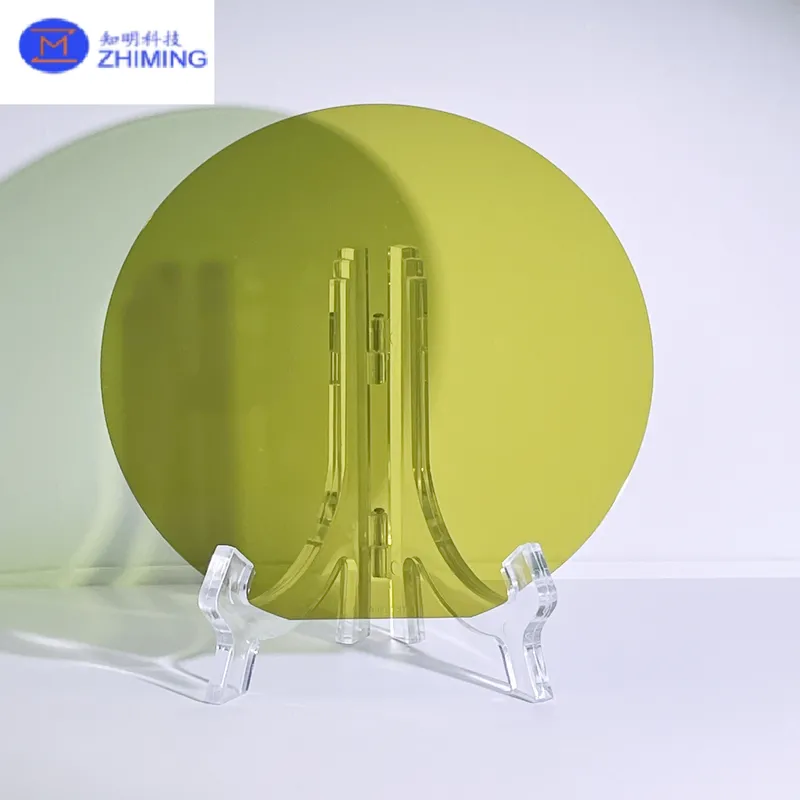
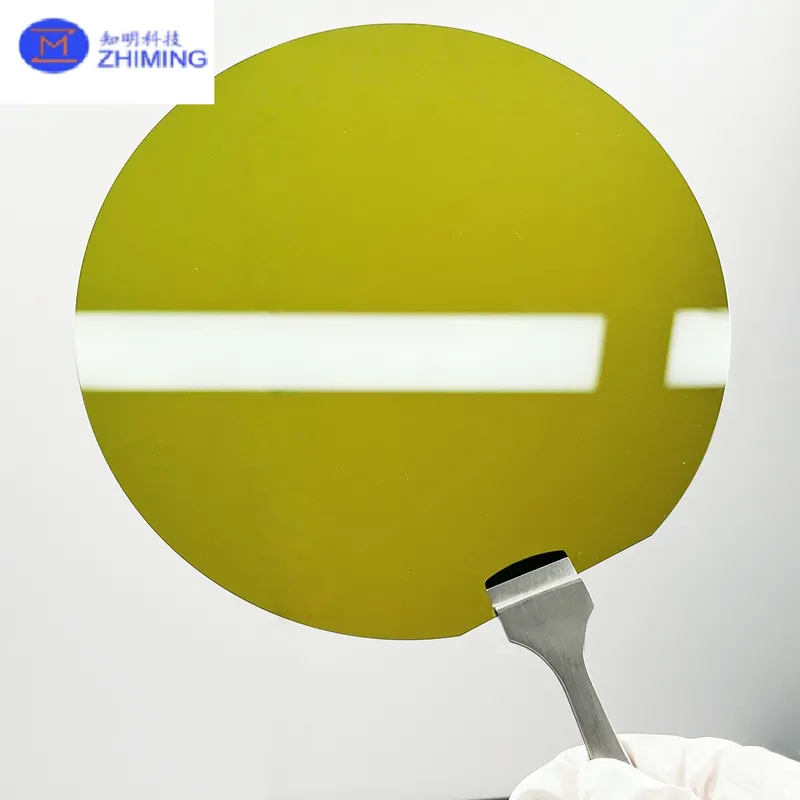
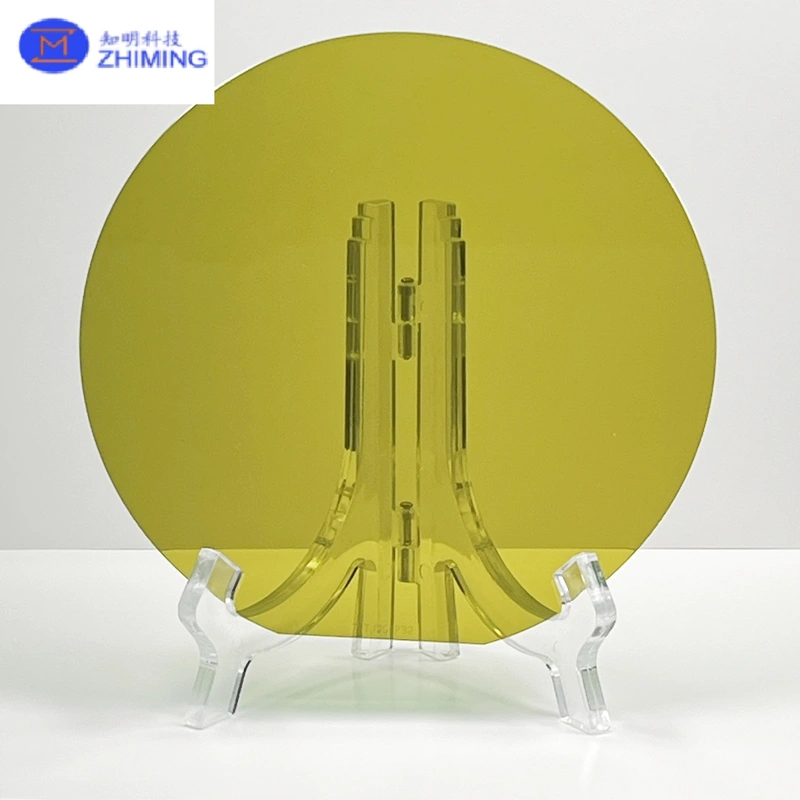
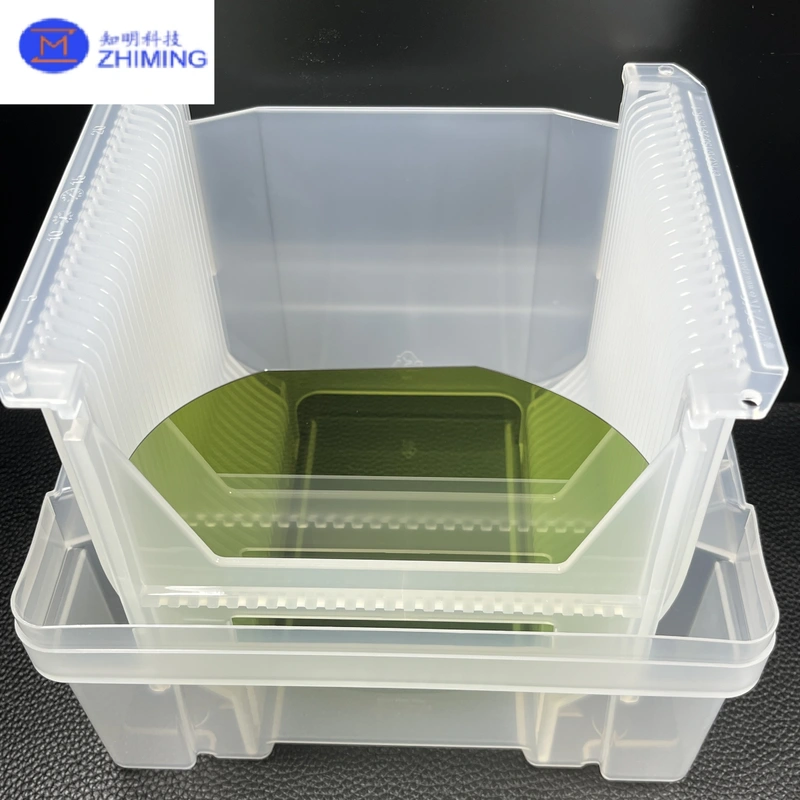
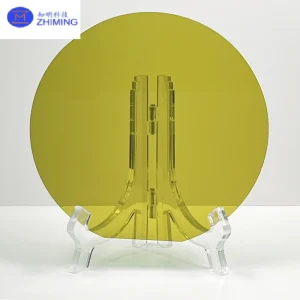
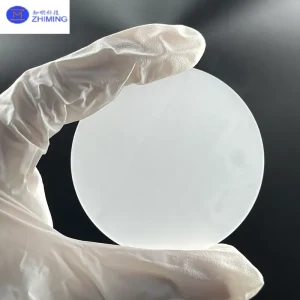
 The 4 inch 4H-N silicon carbide wafer is a conductive SiC substrate designed for advanced power semiconductor applications. It is based on the 4H crystal polytype, which is widely recognized in the industry for its superior electrical and thermal performance.
Silicon carbide belongs to the third-generation semiconductor materials and offers significant advantages over traditional silicon. Its wide bandgap, high breakdown electric field, and excellent thermal conductivity make it highly suitable for devices operating under high voltage, high frequency, and high temperature conditions.
This wafer is commonly used for manufacturing power devices such as MOSFETs, Schottky barrier diodes, JFETs, and IGBTs. These devices are critical components in modern energy systems, where efficiency, reliability, and compact design are essential. The 4 inch format provides a balance between cost efficiency and device yield, making it widely adopted in both research and industrial production environments.
Specifications
| Parameter | Value |
|---|---|
| Diameter | 100 ± 0.5 mm |
| Thickness | 350 ± 25 μm |
| Polytype | 4H |
| Conductivity Type | N-type |
| Surface Roughness | Ra ≤ 0.2 nm |
| TTV | ≤ 10 μm |
| Warp | ≤ 30 μm |
| Defect Density | MPD < 1 ea/cm² |
| Edge | 45° bevel, SEMI standard |
| Grade | Production / Research / Dummy |
These parameters ensure high surface quality and dimensional stability, which are essential for epitaxial growth and device fabrication processes.
Material Characteristics
Silicon carbide demonstrates a wide bandgap of approximately 3.26 eV, which allows devices to operate at significantly higher voltages compared to silicon. This results in improved power handling capability and reduced conduction losses.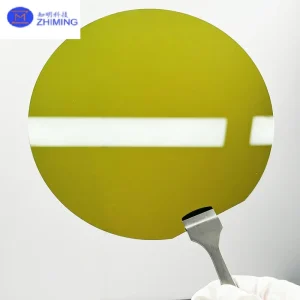
Another important property is its high breakdown electric field, which can be nearly ten times greater than that of silicon. This enables thinner device structures and higher efficiency in power conversion systems.
Thermal conductivity is also a key advantage. SiC conducts heat about three times more effectively than silicon, allowing devices to maintain stable performance under high load conditions. This reduces the need for complex cooling systems and improves overall system reliability.
In addition, silicon carbide maintains stable electrical characteristics at temperatures exceeding 600°C. This makes it particularly suitable for applications in harsh environments such as automotive power systems, industrial drives, and aerospace electronics.
The material also offers high electron mobility and low on-resistance, contributing to faster switching speeds and reduced energy loss in power devices.
Available Wafer Sizes
Silicon carbide wafers are available in multiple diameters to meet different application needs:
| Size | Diameter | Thickness Range |
|---|---|---|
| 2 inch | 50.8 mm | 330–350 μm |
| 3 inch | 76.2 mm | 350–500 μm |
| 4 inch | 100 mm | 350–500 μm |
| 6 inch | 150 mm | 350–500 μm |
| 8 inch | 200 mm | 350–500 μm |
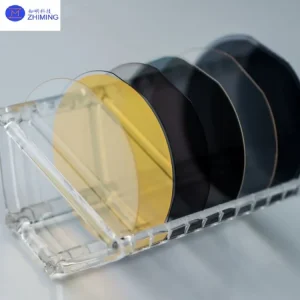
Common types include conductive 4H-N, semi-insulating HPSI, and other specialized variants for RF and power applications.
Applications
In electric vehicles, SiC wafers are used in traction inverters, onboard chargers, and DC-DC converters. They improve energy efficiency, reduce heat generation, and enable more compact system designs.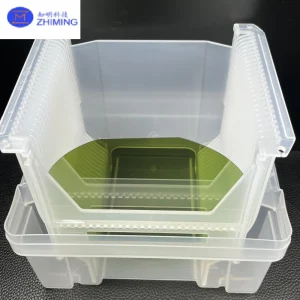
In renewable energy systems, SiC devices are applied in solar inverters and wind power converters. Their high efficiency contributes to reduced energy loss and improved system performance.
Industrial systems also benefit from SiC technology, especially in high-power motor drives and automation equipment where reliability and durability are critical.
In power grid infrastructure, silicon carbide is used in smart grid systems and high-voltage transmission equipment to enhance energy conversion efficiency and reduce system losses.
Aerospace and defense applications utilize SiC for high-reliability electronics that must operate under extreme temperature and environmental conditions.
Si vs SiC Comparison
| Property | Silicon | Silicon Carbide |
|---|---|---|
| Bandgap | 1.12 eV | 3.26 eV |
| Breakdown Field | Low | High |
| Thermal Conductivity | Moderate | High |
| Max Temperature | ~150°C | >600°C |
| Efficiency | Standard | High |
Silicon remains suitable for low-power and conventional electronics, while silicon carbide is increasingly preferred for high-power, high-efficiency systems.
FAQ
Q: What is the difference between silicon and silicon carbide wafers?
Silicon wafers are widely used in integrated circuits and standard electronic devices. Silicon carbide wafers are designed for power electronics, where high voltage, high temperature, and high efficiency are required.
Q: How does SiC compare with GaN?
SiC is typically used in high-voltage and high-power applications such as electric vehicles and power grids. GaN is more suitable for high-frequency and lower voltage applications, including RF systems and fast charging devices.
Q: Is silicon carbide a ceramic or a semiconductor?
Silicon carbide is both a ceramic and a semiconductor. It combines high mechanical strength with excellent electrical properties, making it suitable for demanding electronic applications.


Reviews
There are no reviews yet.