
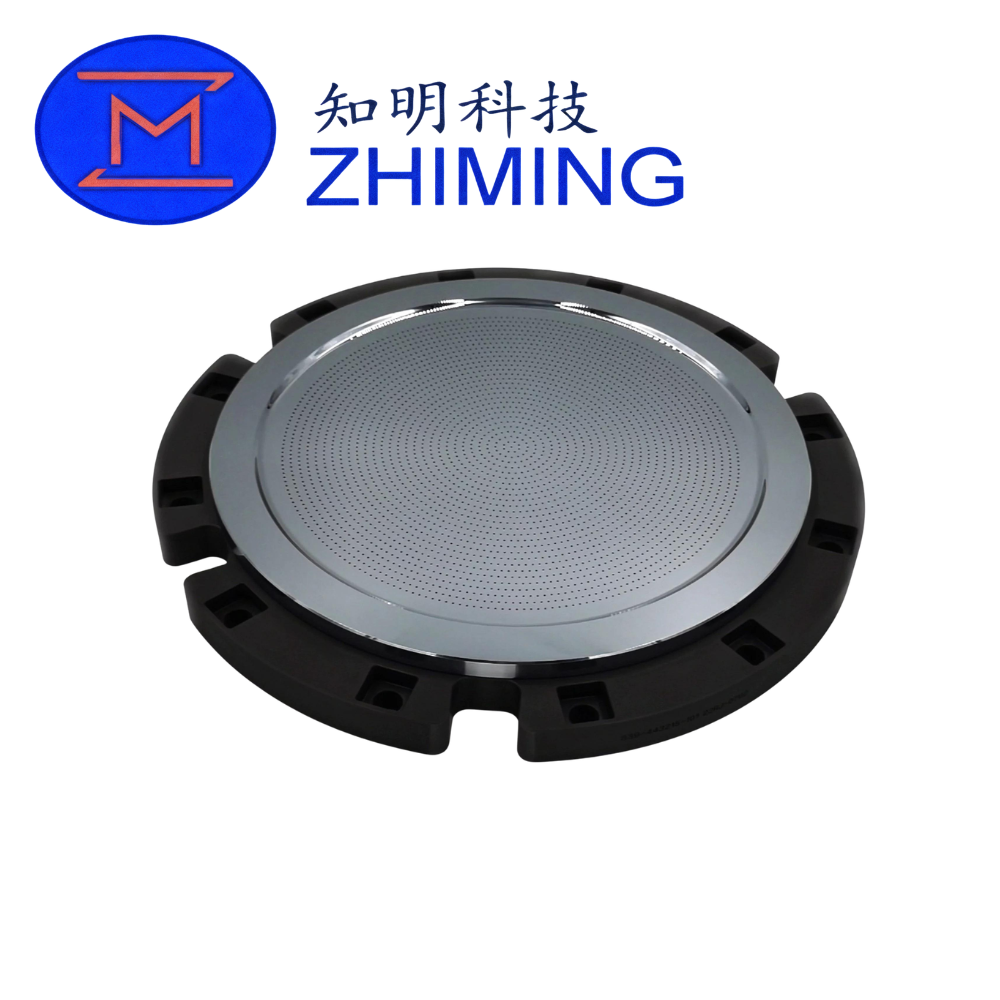
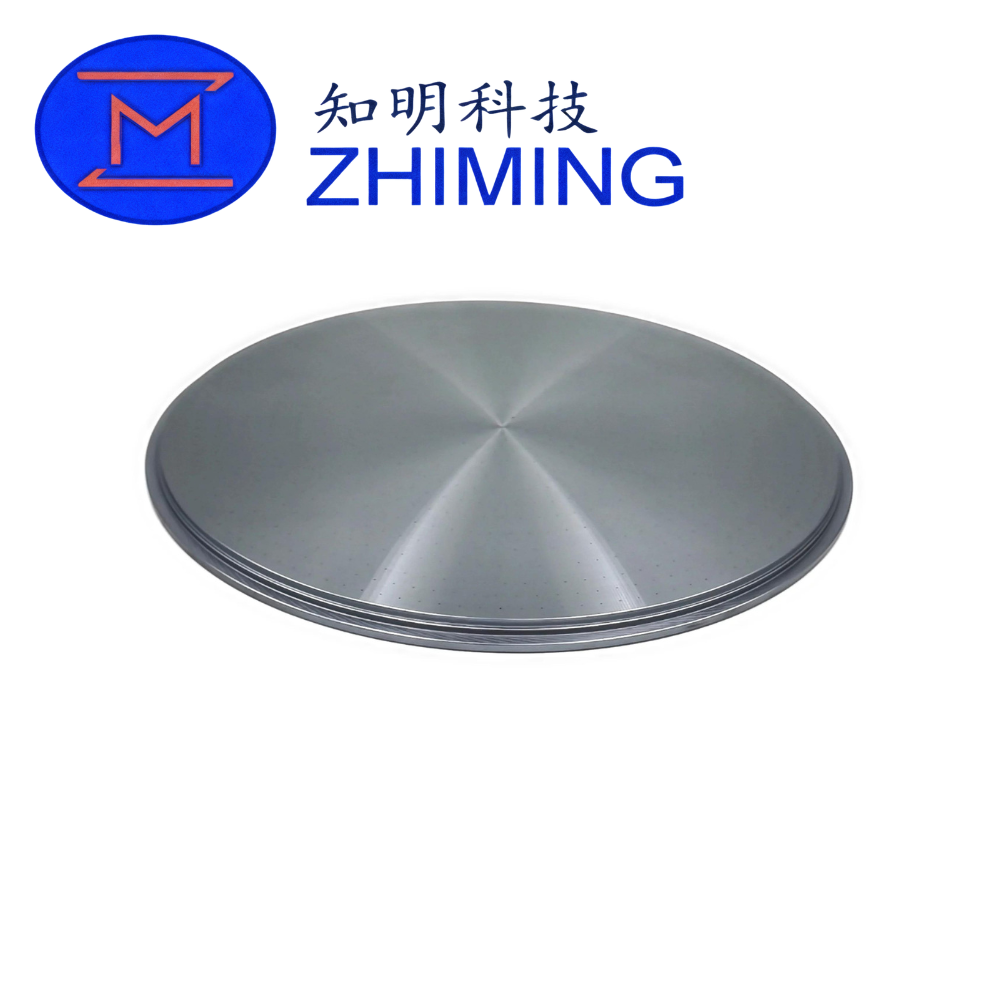
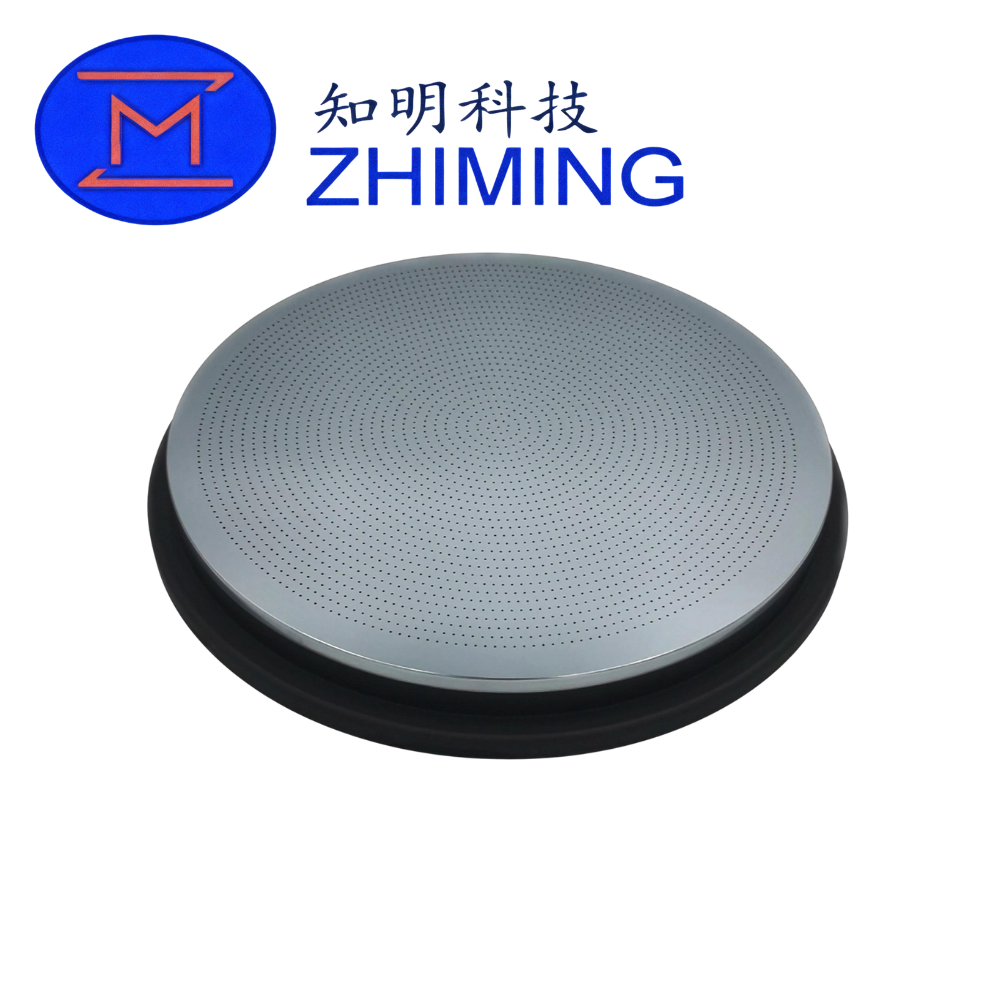
 Silikon elektrot, aşındırma, biriktirme ve yüzey modifikasyon sistemleri de dahil olmak üzere gelişmiş yarı iletken plazma işleme ekipmanlarında kullanılan temel bir işlevsel bileşendir. Yüksek saflıkta tek kristal silikondan üretilen bu elektrot, istikrarlı plazma üretimi, eşit elektrik alanı dağılımı ve hassas gofret işlemenin sağlanmasında kritik bir rol oynar.
Modern yarı iletken üretiminde proses kararlılığı ve verimi, dahili hazne bileşenlerinin performansından doğrudan etkilenir. Silikon elektrotlar, silikon bazlı proseslerle mükemmel uyumlulukları, kontaminasyon risklerini en aza indirmeleri ve yüksek proses saflığını korumaları nedeniyle yaygın olarak tercih edilmektedir. Metal elektrotlarla karşılaştırıldığında, silikon malzemeler plazma kaynaklı kontaminasyona karşı üstün direnç gösterir ve daha tutarlı elektriksel özellikler sağlar.
Bu elektrotlar tipik olarak yüksek enerjili plazma, CF₄, SF₆ ve Cl₂ gibi reaktif gazlar ve yüksek sıcaklıklar içeren zorlu ortamlarda kullanılır. Zaman içinde kademeli olarak erozyona uğrarlar ve bu nedenle aşağıdaki şekilde sınıflandırılırlar kri̇ti̇k yari i̇letken sarf malzemeleri̇, kullanım ömürleri boyunca yüksek performanslarını korurken periyodik değişim gerektirmezler.
Temel Özellikler
- Yüksek Saflıkta Malzeme: Minimum kirlilik ve istikrarlı elektrik performansı sağlamak için yarı iletken sınıfı tek kristal silikondan yapılmıştır
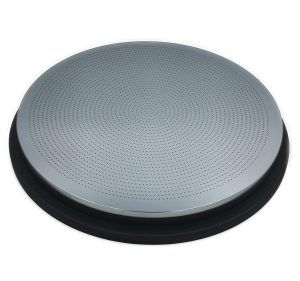
- Çoklu Dirençlilik Seçenekleri: Farklı plazma kontrol gereksinimleri için düşük, orta ve yüksek direnç derecelerinde mevcuttur
- Mükemmel Plazma Uyumluluğu: Partikül oluşumunu azaltır ve yonga plakası verimini artırır
- Hassas İşleme: Üst düzey yarı iletken ekipman entegrasyonu için sıkı toleranslar (<10 μm)
- Özel Gaz Deliği Tasarımı: Düzgün gaz dağılımını ve optimize edilmiş plazma yoğunluğunu destekler
- Yüzey Esnekliği: Uygulama ihtiyaçlarına göre cilalı, alıştırılmış veya taşlanmış yüzeylerde mevcuttur
Teknik Özellikler
| Parametre | Şartname |
|---|---|
| Malzeme | Tek Kristal Silikon |
| Saflık | ≥ 99,999% (5N yarı iletken sınıfı) |
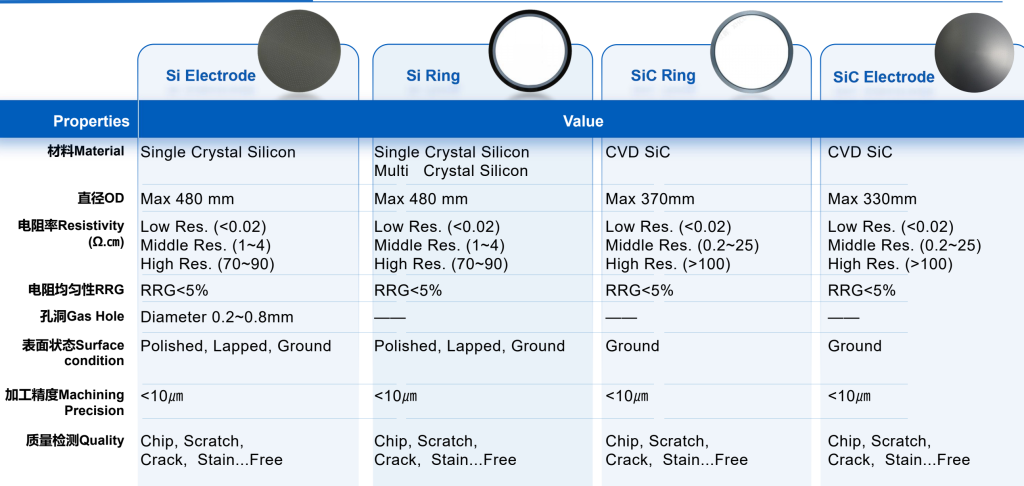
| Çap (Maks) | 480 mm'ye kadar |
| Kalınlık | Özel (tasarıma bağlı olarak tipik olarak 5-50 mm) |
| Dirençlilik (Düşük) | < 0,02 Ω-cm |
| Dirençlilik (Orta) | 1 - 4 Ω-cm |
| Dirençlilik (Yüksek) | 70 - 90 Ω-cm |
| Özdirenç Tekdüzeliği (RRG) | < 5% |
| Gaz Deliği Çapı | 0,2 - 0,8 mm (özelleştirilebilir) |
| Yüzey Durumu | Cilalı / Alıştırılmış / Taşlanmış |
| Yüzey Pürüzlülüğü (Ra) | ≤ 0,8 μm (cilalı seçenek daha düşük) |
| Hassas İşleme | < 10 μm |
| Düzlük | ≤ 30 μm (boyuta bağlı olarak) |
| Kenar Profili | Özel pah / yarıçap |
| Kalite Kontrol | Yonga, çatlak, çizik, kirlenme yok |
Uygulamalar
Silikon elektrotlar, plazma etkileşiminin gerekli olduğu yarı iletken üretim ekipmanlarında yaygın olarak kullanılmaktadır. Tipik uygulamalar şunları içerir:
- Plazma aşındırma sistemleri (ICP, RIE)
- Kimyasal buhar biriktirme (CVD / PECVD)
- Wafer yüzey işleme süreçleri
- Yarı iletken oda iç bileşenleri
- Elektrostatik veya plazma dağıtım sistemleri
Plazma homojenliğini koruma ve kontaminasyonu azaltma yetenekleri, onları hem olgun hem de gelişmiş proses düğümlerinde gerekli kılmaktadır.
Neden Silikon Elektrotları Seçmelisiniz?
Silikon elektrotlar, maliyet verimliliği ve performans arasında benzersiz bir denge sunar. SiC bileşenlerine kıyasla, silikon elektrotlar daha ekonomiktir ve işlenmesi daha kolaydır, bu da onları değiştirme döngülerinin kabul edilebilir olduğu uygulamalar için ideal hale getirir. Ek olarak, silikon yonga plakası prosesleri ile içsel uyumlulukları, yüksek cihaz verimini korumak için kritik olan çapraz kontaminasyon riskinin minimum olmasını sağlar.
Daha uzun kullanım ömrü veya daha yüksek korozyon direnci gerektiren uygulamalar için SiC elektrotlar düşünülebilir. Bununla birlikte, çok çeşitli standart yarı iletken prosesleri için silikon elektrotlar endüstri standardı çözüm olmaya devam etmektedir.
SSS
S1: Silikon elektrot sarf malzemesi midir?
Evet, kritik bir yarı iletken sarf malzemesi olarak sınıflandırılır. Plazmaya maruz kalma ve kimyasal reaksiyonlar nedeniyle yavaş yavaş aşınır ve periyodik olarak değiştirilmesi gerekir.
S2: Hangi direnci seçmeliyim?
Proses gereksinimlerinize bağlıdır. Düşük direnç tipik olarak daha yüksek iletkenlik ihtiyaçları için kullanılırken, yüksek direnç yalıtım ve kontrollü plazma ortamları için uygundur.
S3: Elektrot özelleştirilebilir mi?
Evet. Boyutlar, kalınlık, gaz deliği desenleri, direnç ve yüzey kaplaması çizimlerinize veya ekipman gereksinimlerinize göre özelleştirilebilir.
Request a Quote for High Purity Single Crystal Silicon Electrode for Semiconductor Plasma Etching Systems
Tell us your required specifications, dimensions, quantity, application and technical requirements. You can also provide drawings or additional project information. Our technical team will review your requirements and reply as soon as possible.
Değerlendirmeler
Henüz değerlendirme yapılmadı.