
1. Introduction
Sapphire substrates—synthetic single‑crystal aluminum oxide (Al₂O₃)—are advanced materials used as foundational wafers in a wide range of high‑technology applications, including LEDs, radio frequency integrated circuits (RFICs), laser diodes, and optoelectronic devices. They are prized for exceptional hardness, thermal stability, electrical insulation, and optical transparency. These properties also make sapphire uniquely difficult to machine using conventional mechanical methods, which has driven the adoption of laser cutting and precision slicing technologies specifically designed for sapphire processing.
In this context, laser cutting equipment for sapphire substrates represents a key enabling technology in the broader sapphire materials ecosystem. This article examines the market size, growth drivers, technological landscape, and future outlook of sapphire substrate laser cutting equipment—placing it within the larger optics, semiconductor, and industrial laser market.
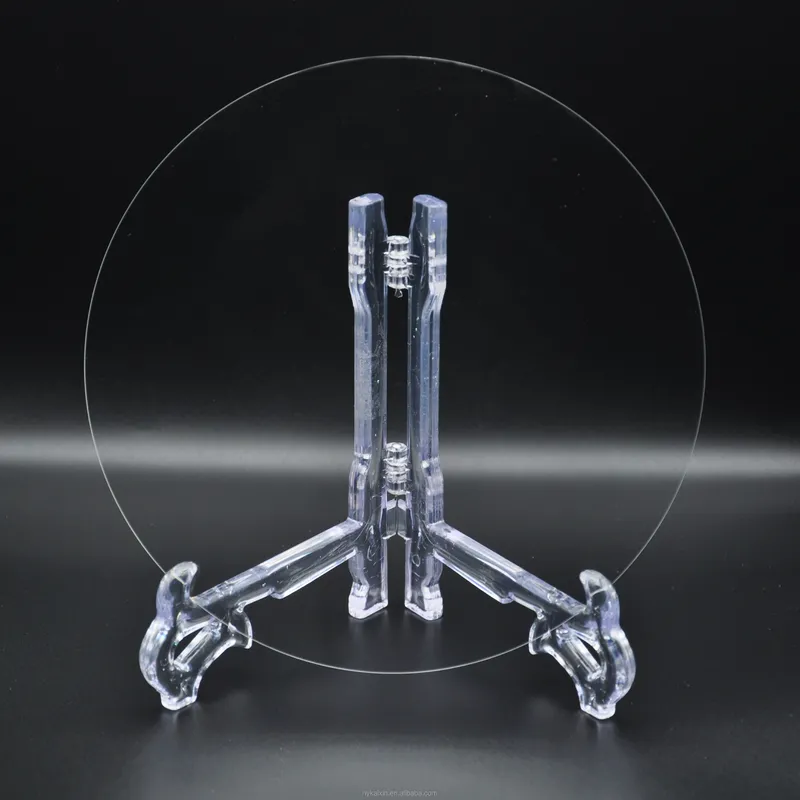
2. Sapphire Substrate Market Size: Foundational Context
To understand equipment demand, it is crucial to first quantify the market for the substrates themselves.
According to recent industry research, the global sapphire substrate market was estimated at approximately USD 5.6 billion in 2024 and is projected to grow at a compound annual growth rate (CAGR) of ~7.3% to reach USD 9.8 billion by 2030. The dominant segment comprises larger wafers (4–6 inch), driven by LED manufacturing and expanding semiconductor applications. LED remains the largest application category, accounting for over 75% of the market, while RFICs and laser diodes represent smaller but faster‑growing segments.
Another analysis by The Insight Partners estimates the global sapphire substrate market expanding from about USD 761.55 million in 2025 to USD 1.2372 billion by 2034 at a CAGR of about 5.4%. These different estimates reflect variations in segmentation, regional scope, and methodology across research firms but collectively point toward sustained growth in sapphire wafer demand across multiple end‑use industries.
3. Sapphire Slicing and Laser Cutting Equipment Market
Sapphire substrates are produced by slicing ingots into thin wafers, followed by surface polishing and patterning. Historically, wire saw slicing dominated wafer production. However, laser slicing and laser cutting technologies have gained traction due to their ability to deliver high precision, low kerf loss, minimal mechanical stress, and adaptability to automation.
3.1 Market Size and Growth
Unlike the substrate market itself, market data for specialized sapphire laser cutting and slicing equipment (distinct from general laser cut machines) is more niche and less aggregated in public sources. However, credible research indicates the following:
- One research report estimates the global sapphire slicing machine market (which includes laser slicing systems) at approximately USD 450 million in 2024, with expectations to reach USD 850 million by 2033, representing a CAGR of around 8.5% during 2026–2033. This figure covers a subset of laser‑based equipment tailored to sapphire wafer slicing.
- Other market commentary suggests the sapphire slicing machine market could be valued in the low billions (e.g., USD ~6.5 billion) by 2025 depending on scope and equipment definitions, though precise methodologies differ across data sources.
These estimates collectively point to strong demand for precision slicing equipment, of which laser cutting systems are an increasingly important sub‑segment, particularly as wafer diameters increase and manufacturing tolerances tighten.
4. Broader Laser Cutting Machine Market Trends
To contextualize the niche segment within the broader industry:
The global industrial laser cutting machine market (across all industries and applications) continues to grow rapidly. Multiple market intelligence sources project:
- Valuation of USD 6.85–7.44 billion in 2025–2026, with growth to USD ~18.4 billion by 2034 and a CAGR around 12% during 2026–2034.
- Other analyses estimate the laser cutting machine market at USD ~7.23 billion in 2023 and forecast USD ~11.94 billion by 2032 at a CAGR of ~5.7%.
The variation in figures results from differing inclusions of technologies (e.g., fiber lasers, CO₂ lasers, ultraviolet lasers) and application scopes (automotive, aerospace, electronics, metals). Regardless, the trend shows laser cutting systems as a fast‑growing industrial segment, which serves as background for understanding demand in specialized sectors like sapphire processing.
Sapphire wafer cutting and related laser equipment benefit from this overall momentum in industrial laser adoption, driven by automation trends, Industry 4.0 integration, and precision manufacturing requirements across sectors.
5. Market Drivers: What Fuels Growth?
Several key factors underpin the growth of sapphire substrate laser cutting equipment:
5.1 Expanding Downstream Applications
- LED Lighting and Displays: Sapphire wafers remain dominant substrates for GaN‑based LEDs due to compatibility with high‑temperature epitaxial growth and excellent mechanical stability. As LED penetration deepens in general lighting, automotive lighting, and display backlighting, demand for high‐quality substrates and thus precision cutting equipment rises.
- Semiconductor and RF Devices: Sapphire’s electrical insulation and thermal performance make it attractive for RFICs and other high‑frequency circuits, particularly in 5G and IoT applications.
- Laser Diodes and Photonics: Sapphire substrates underpin some classes of laser diodes and photonic components, contributing to niche but high‑performance demand.
These expanding end‑uses drive substrate volume, which in turn fuels demand for advanced wafer slicing and laser cutting equipment.
5.2 Technological Advancements
Laser cutting systems for sapphire use precision optics, high‐power beams, and often ultrafast pulsed lasers to achieve high edge quality with minimal heat‑affected zones. Ongoing advances, including integration of automation and feedback control, improve throughput and reduce operational costs—making laser systems more attractive compared to traditional wire‑saw or diamond blade techniques.
6. Challenges and Market Constraints
Despite positive growth drivers, several challenges temper near‑term expansion:
6.1 High Capital Intensity
Laser cutting and slicing equipment designed for sapphire processing represent high‑precision capital goods. Their acquisition and operational costs are significant, and widespread adoption requires manufacturers to justify ROI through increased throughput or quality improvements.
6.2 Technical Complexity
Sapphire’s extreme hardness (Mohs scale ∼9) and anisotropic thermal properties necessitate specialized laser systems with precise parameter control. Maintaining beam stability, minimizing micro‑cracks or precision defects, and ensuring uniform cut quality are nontrivial tasks that require specialized engineering expertise.
7. Industry Value Chain and Competitive Landscape
The sapphire materials ecosystem spans raw synthetic crystal growth, slicing/polishing, wafer patterning, and downstream device fabrication. Laser cutting equipment suppliers collaborate closely with substrate producers, semiconductor fabs, and optoelectronics manufacturers.
Although specific market share data for laser cutting equipment vendors targeting sapphire substrates is limited in public reports, broader industrial laser companies—such as IPG Photonics, Trumpf, Coherent, and similar advanced optics firms—dominate the broader machine laser market. These suppliers drive innovation in beam delivery, control systems, and automation—technologies which also benefit niche markets such as sapphire processing.
8. Regional Market Dynamics
The Asia‑Pacific region is consistently the largest market for both sapphire wafers and industrial laser equipment, driven by concentrations of LED and semiconductor manufacturing in China, Japan, South Korea, and Taiwan. North America and Europe also represent advanced technology segments, particularly for high‑precision optical and defense applications.
9. Future Outlook
Looking ahead, several macro trends are likely to shape this market segment:
- Increased wafer diameters (e.g., 8‑inch and beyond) as manufacturers pursue economies of scale, which further drives demand for more capable cutting equipment.
- Automation and smart factory integration to lower labor costs and improve yield, benefiting laser systems capable of software‑based controls and remote monitoring.
- Material innovations and hybrid processes, combining laser cutting with fine polishing and surface conditioning, to push edge quality even higher.
Overall, while specialized sapphire laser cutting equipment remains a smaller niche relative to the general industrial laser market, its growth trajectory reflects broader trends in high‑performance manufacturing.
10. Conclusion
The sapphire substrate laser cutting equipment market is evolving as part of the broader sapphire materials ecosystem. Fueled by growth in LED, semiconductor, and photonics sectors, market research indicates sustainable growth in sapphire substrate volumes and corresponding demand for precision processing technologies.
Although precise figures vary by source and methodology, estimates place the sapphire slicing and laser cutting equipment segment in the hundreds of millions to low billions of USD over the next decade, with strong growth potential supported by downstream advancements. This market’s trajectory mirrors broader trends in precision processing, materials engineering, and advanced manufacturing, underscoring its strategic role in the future of optoelectronics and high‑tech device fabrication.