
Semiconductor manufacturing is one of the most demanding industrial processes in the world. Modern wafer fabrication environments require ultra-clean conditions, precise temperature control, aggressive chemical processing, and microscopic dimensional accuracy. Under these conditions, equipment performance does not rely solely on machines themselves—it also depends heavily on consumable components.
Semiconductor consumables are specialized parts that gradually wear, erode, or require periodic replacement during production. Although these components are often less visible than major equipment systems, they play a critical role in maintaining process stability, reducing contamination, and ensuring high wafer yield.
Among the numerous materials used in วัสดุสิ้นเปลืองสำหรับเซมิคอนดักเตอร์, quartz, advanced ceramics, and sapphire have become essential due to their unique combinations of thermal stability, chemical resistance, purity, and mechanical performance.
Understanding the functions and differences of these materials helps optimize semiconductor process reliability and equipment efficiency.
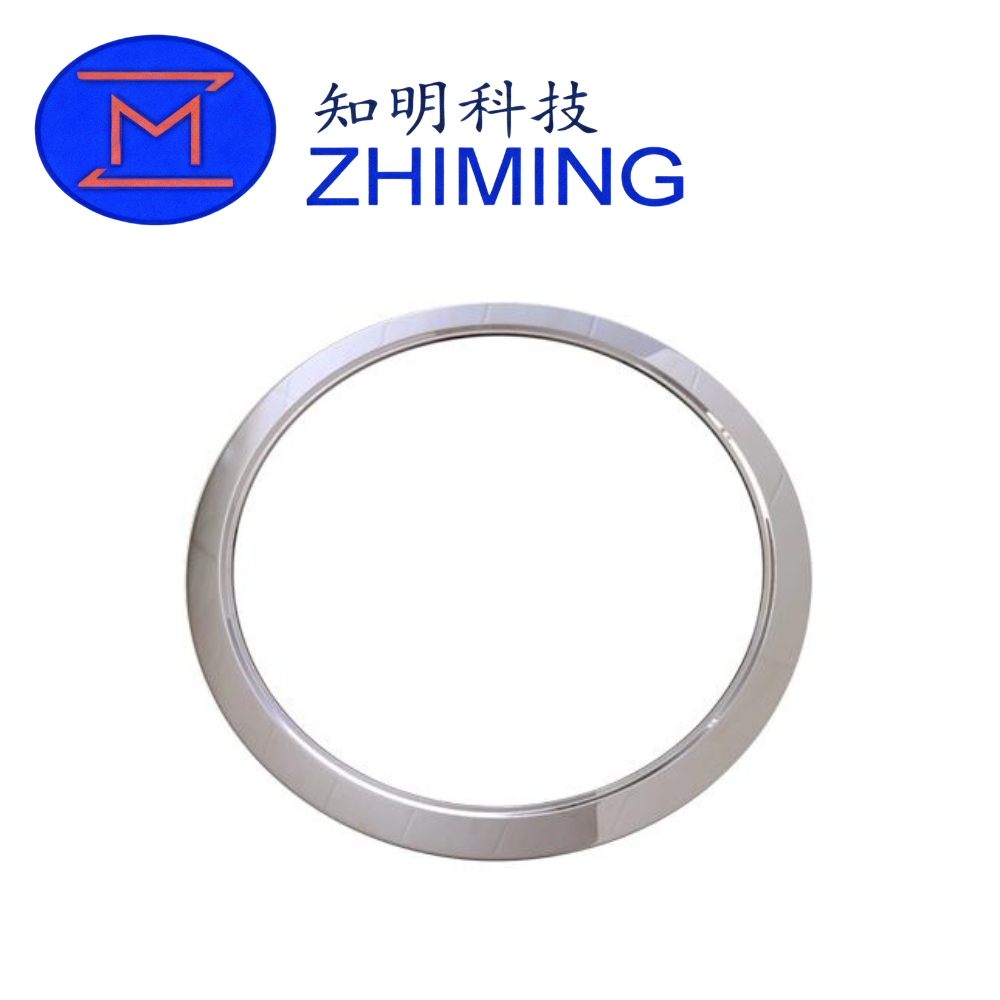
What Are Semiconductor Consumables?
Semiconductor consumables are components used repeatedly inside fabrication equipment that experience gradual degradation during operation.
Unlike permanent structural parts, consumables may require scheduled replacement because of:
- Plasma erosion
- Thermal cycling
- Chemical attack
- Surface wear
- Particle generation
- ความเค้นเชิงกล
Examples include:
- wafer carriers
- focus rings
- chamber liners
- process tubes
- windows
- nozzles
- insulators
- precision support structures
Because contamination control is critical, consumable materials must satisfy extremely strict requirements.
Why Material Selection Matters
The semiconductor process environment exposes materials to multiple extreme conditions simultaneously.
Typical operating challenges include:
- temperatures above 1000°C
- vacuum conditions
- corrosive gases
- plasma bombardment
- rapid thermal cycling
- ultra-low particle requirements
Material degradation can cause:
- wafer defects
- process instability
- equipment downtime
- lower manufacturing yield
Consequently, selecting suitable consumable materials becomes an engineering necessity.
Quartz, ceramics, and sapphire each address different performance requirements.
Quartz Consumables
Quartz remains among the most widely used semiconductor materials because of its high purity and excellent thermal properties.
Most semiconductor quartz consumables are produced from fused silica or synthetic quartz.
Typical characteristics include:
| ทรัพย์สิน | High Purity Quartz |
|---|---|
| SiO₂ Content | >99.99–99.9999% |
| Thermal Expansion | Very Low |
| Optical Transparency | ยอดเยี่ยม |
| ความต้านทานต่อสารเคมี | ยอดเยี่ยม |
| Temperature Capability | ~1100–1250°C |
Common Quartz Consumables
- furnace tubes
- wafer boats
- process carriers
- quartz rings
- chamber shields
- observation windows
Quartz performs particularly well in thermal processing applications.
Its low impurity content minimizes contamination risks during wafer production.
However, plasma erosion resistance can be limited in certain applications.
Ceramic Consumables
Advanced ceramics encompass a broad family of engineered materials specifically developed for demanding industrial environments.
Common semiconductor ceramic materials include:
- Alumina (Al₂O₃)
- ซิลิคอนคาร์ไบด์ (SiC)
- อะลูมิเนียมไนไตรด์ (AlN)
- Zirconia (ZrO₂)
- Silicon Nitride (Si₃N₄)
- Boron Nitride (BN)
Each material offers unique performance advantages.
Typical Ceramic Properties
| ทรัพย์สิน | เซรามิกขั้นสูง |
|---|---|
| ความแข็ง | สูง |
| Wear Resistance | ยอดเยี่ยม |
| Thermal Stability | ยอดเยี่ยม |
| Plasma Resistance | Good–Excellent |
| Electrical Performance | Adjustable |
Common Ceramic Consumables
- focus rings
- electrostatic chuck components
- gas distribution plates
- chamber liners
- insulators
- wafer handling parts
Compared with quartz, ceramics generally provide improved wear resistance and mechanical durability.
Sapphire Consumables
Sapphire is a synthetic single-crystal form of aluminum oxide.
Although chemically similar to alumina ceramics, sapphire possesses a highly ordered crystal structure that provides distinctive properties.
Typical sapphire characteristics include:
| ทรัพย์สิน | แซฟไฟร์ |
|---|---|
| Crystal Type | Single Crystal |
| ความแข็ง | Mohs 9 |
| Transparency | UV–IR |
| คุณภาพผิว | ยอดเยี่ยม |
| ความต้านทานต่อสารเคมี | ยอดเยี่ยม |
Common Sapphire Semiconductor Components
- optical windows
- sensor covers
- precision bearings
- viewport assemblies
- inspection system components
Sapphire is especially valuable where optical transmission and dimensional precision are required.
Material Comparison
The differences among these semiconductor consumables become clearer through comparison.
| ทรัพย์สิน | ควอตซ์ | เซรามิก | แซฟไฟร์ |
|---|---|---|---|
| ความบริสุทธิ์ | ยอดเยี่ยม | สูง | ยอดเยี่ยม |
| ความต้านทานต่ออุณหภูมิ | สูง | สูงมาก | สูง |
| Plasma Resistance | ปานกลาง | ยอดเยี่ยม | ปานกลาง |
| Optical Transparency | ยอดเยี่ยม | จำกัด | ยอดเยี่ยม |
| Wear Resistance | ปานกลาง | ยอดเยี่ยม | ยอดเยี่ยม |
| Mechanical Strength | ปานกลาง | สูง | สูง |
| ค่าใช้จ่าย | ปานกลาง | Moderate–High | สูง |
Rather than competing directly, these materials frequently complement one another inside semiconductor equipment.
Application Examples in Semiconductor Equipment
Different process environments demand different consumable materials.
Diffusion Furnace Systems
Common consumables:
- quartz tubes
- quartz wafer boats
- support rods
Primary requirement:
High-temperature purity.
Plasma Etching Systems
Common consumables:
- SiC focus rings
- ceramic chamber liners
- plasma shields
Primary requirement:
Plasma resistance.
Wafer Inspection Equipment
Common consumables:
- sapphire windows
- precision sapphire bearings
Primary requirement:
Optical clarity and stability.
Vacuum Processing Systems
Common consumables:
- ceramic insulators
- quartz viewports
- precision support components
Primary requirement:
Cleanliness and dimensional accuracy.
Future Trends in Semiconductor Consumables
As semiconductor technologies evolve toward advanced nodes and larger wafer sizes, consumable materials continue improving.
Future trends include:
- ultra-high-purity materials
- plasma-resistant coatings
- larger precision components
- reduced particle generation
- hybrid ceramic structures
- advanced single-crystal materials
Semiconductor manufacturers increasingly focus on extending consumable lifetime while reducing contamination risk.
สรุป
Semiconductor consumables are essential contributors to equipment reliability and process performance. Although often considered secondary components, quartz, ceramics, and sapphire parts directly influence wafer yield, contamination control, and operational efficiency.
Quartz remains indispensable for thermal applications. Advanced ceramics dominate demanding plasma and wear environments. Sapphire supports precision optical and ultra-clean applications.
As semiconductor manufacturing advances, selecting the proper consumable material becomes increasingly important for achieving high-performance and cost-effective production.
คำถามที่พบบ่อย
Why are semiconductor consumables replaced regularly?
Consumables gradually degrade due to plasma exposure, wear, chemical attack, and thermal cycling.
Why is quartz commonly used in semiconductor furnaces?
Quartz combines ultra-high purity with excellent thermal stability and low contamination risk.
Which material provides the best plasma resistance?
Silicon carbide and specialized ceramic materials generally offer superior plasma resistance.